Barndominiums have become a unique housing option that blends rustic charm with modern living. These hybrid structures, often featuring a barn-like exterior, provide homeowners with open floor plans, generous living space, and room for personal style. Originating in rural areas, barndominiums offer a cozy escape from city life while allowing access to modern amenities. Whether you dream of a peaceful countryside retreat or a functional family home, understanding the building process of a barndominium can help turn your vision into reality. Here are some key things to know before embarking on your barndominium project.
Location is Key
Choosing the right location for your barndominium is crucial, as it can significantly impact the overall cost, accessibility, and experience of living in this unique structure. When selecting a site, consider proximity to essential services like schools, grocery stores, and healthcare facilities, particularly if you plan to live there year-round. Additionally, assess the area's zoning regulations and land use restrictions, as these can affect what you’re permitted to build.
A scenic plot with plenty of natural surroundings can enhance the rustic charm of your barndominium, but it's crucial to ensure access to utilities like water and electricity. Consider the topography; flat land simplifies construction and reduces costs, while sloped or uneven terrain may need extra excavation or foundation work. Ultimately, the right location reflects your lifestyle preferences and helps you achieve your dream barndominium.
Budgeting and Financing
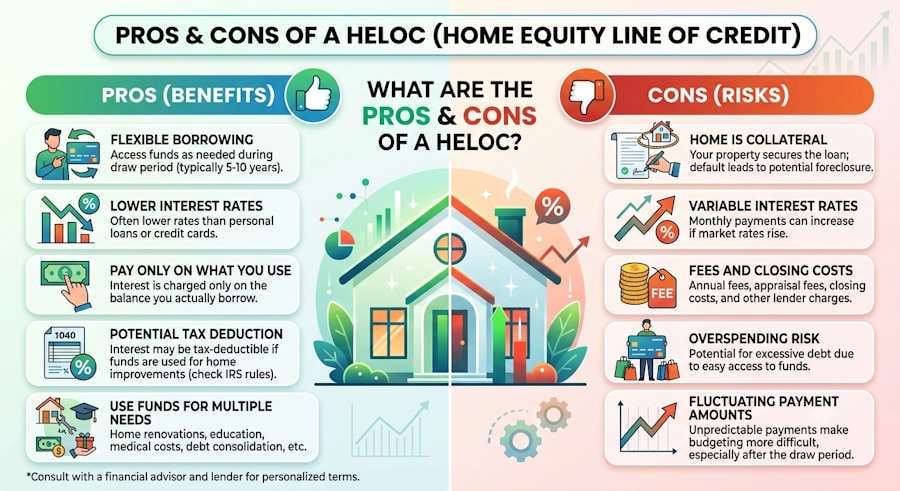
Creating a realistic budget is essential when planning for your barndominium. The cost to build a Barndominium can vary widely based on several factors, including size, materials, and location. Generally, the average cost per square foot for a barndominium ranges from $100 to $200, depending on the level of finish and customization desired.
It's essential to consider construction costs and additional expenses like permits, land preparation, utilities, and furnishings. Securing financing may involve options like construction or personal loans, usually requiring a solid business plan detailing expected costs and timeline. It's wise to consult a reputable builder or contractor experienced in constructing condominiums for an accurate projected expense estimate.
Design Considerations
One of the most significant advantages of building a barndominium is the flexibility in design and customization. As you plan for your project, consider how you will utilize the space and what features are essential for your lifestyle. Some popular design elements include vaulted ceilings, open floor plans, large windows for natural light, and exposed beams for a rustic touch.
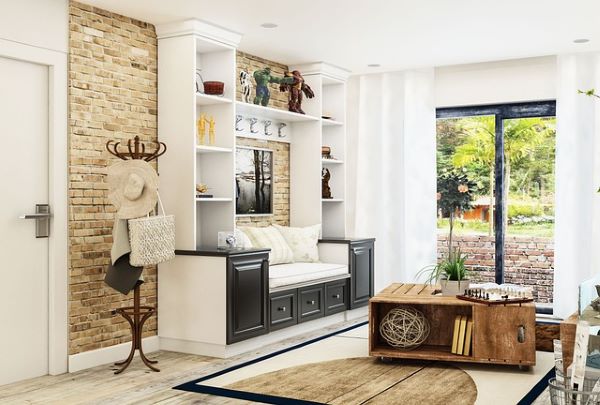
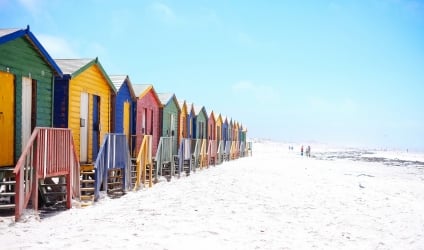
Image by edvaldocostacordeiro from Pixabay
Working closely with your builder or architect is crucial to ensure that the design meets both aesthetic goals and functional needs. If you plan to use the barndominium as a primary residence, it's essential to think about long-term livability and accessibility. For example, incorporating aging-in-place features such as wider doorways and walk-in showers can benefit future use.
Building Codes and Permits
Before starting construction on your barndominium, ensure you understand the building codes and permits required in your area. These regulations are in place to ensure that the structure is safe for occupancy and meets specific minimum standards for quality and durability.
It's essential to obtain all necessary permits before beginning any work on your project, as building without proper authorization can result in fines or even legal action. You may need permits for zoning, building, electrical, plumbing, and septic systems depending on your location. Your builder or contractor should know these requirements and can help you navigate the process.
Maintenance and Upkeep
As with any home, regular maintenance is critical to ensuring your barndominium stays in good condition. Understanding the materials used in construction and their specific maintenance needs is essential. For example, metal exteriors may require periodic repainting or rust removal, while wood elements may need sealing or staining to protect against weathering.
Additionally, preventive measures such as proper insulation and drainage can save you time and money on repairs in the long run. Establishing a maintenance schedule and budget for ongoing upkeep is also advisable to preserve the value of your barndominium.
The Importance of a Qualified Builder
Building a barndominium is a significant investment, and choosing the right builder can make all the difference in the success of your project. Conducting thorough research and vet potential builders looking for experience, expertise, and a solid track record is essential.
A qualified builder will have the technical skills to construct a high-quality barndominium and offer valuable insights and guidance throughout the process. They can also help you navigate any challenges or unexpected issues during construction.
Building a barndominium can be an enriching experience that combines creativity and practicality. The unique design of these structures suits a variety of lifestyles and preferences. As you envision your ideal living space, remember that success lies in personalizing your home and enjoying the journey of building from the ground up. With the right approach, your barndominium can become a cherished sanctuary reflecting your values and aspirations for years.