The North American real estate market in 2026 looks meaningfully different from even two years ago. Buyers have recalibrated their expectations after years of rate volatility and affordability pressure. Sellers are navigating a more discerning buyer pool with less margin for overpricing. And across both sides of the transaction, the features, neighborhoods, and strategies that once drove decisions have shifted in ways that reward those who pay attention to what the market is actually signaling right now.
Understanding those signals clearly is where professional guidance becomes most valuable. Choosing to get advice on buying or selling a home from a top local realtor gives buyers and sellers access to the kind of neighborhood-level insight that national trend data alone cannot provide, and that insight is what separates well-timed, well-positioned transactions from those that linger or leave money behind.
The State of the Market: What Buyers and Sellers Are Working With
Interest rates remain one of the most closely watched variables in the 2026 real estate landscape. After the rate hiking cycles that defined 2022 and 2023, both the Bank of Canada and the U.S. Federal Reserve have moved toward more moderate positions, with incremental reductions bringing some relief to borrowing costs. That relief has been gradual rather than dramatic, and mortgage rates in both countries remain significantly above the historic lows that defined the pandemic-era market.
For buyers, the practical effect is a purchasing power calculation that looks quite different from five years ago. Many households that would have comfortably qualified for a detached home in their preferred neighborhood are now looking at smaller properties, longer commutes, or different market segments entirely. Recent data shows that homebuyers now hold negotiating power in 38 major U.S. metros, up from 29 a year earlier, reflecting a meaningful shift in market balance across much of North America.
Supply remains a defining feature of the 2026 market. New construction has increased in some regions, particularly in Sun Belt states and select Canadian suburban corridors, but the overall inventory gap built up through years of underbuilding has not been closed. In markets where inventory has loosened, sellers are adjusting by investing more in presentation, pricing accurately from day one, and in some cases offering concessions that were unheard of during the peak years.
What Buyers Are Prioritizing in 2026
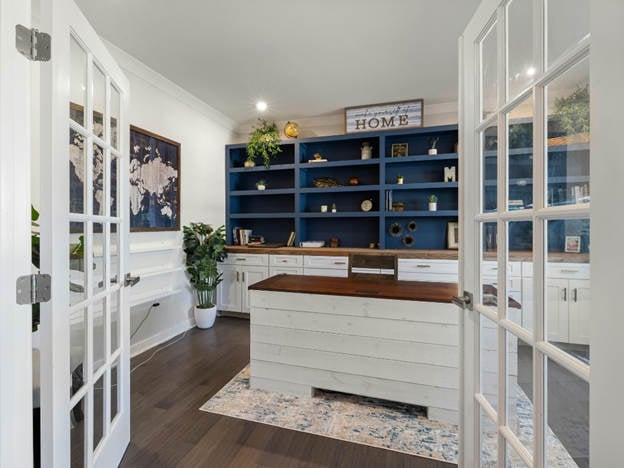
image by pexels
The features that buyers are actively seeking have evolved, and the shift is not simply about price. It reflects deeper changes in how people live, work, and think about their long-term relationship with a property.
Home Office Space
The demand for dedicated home office space has proven to be one of the most durable shifts to emerge from the remote and hybrid work transition. Unlike the initial pandemic-era rush, this preference has settled into a genuine baseline expectation among a large share of active buyers. A dedicated room or clearly separated workspace is now evaluated as a functional requirement rather than a bonus feature for a significant portion of the buyer pool, particularly among millennial and professional buyers making upgrade moves.
Energy Efficiency and Smart Home Features
Rising utility costs, increasing awareness of long-term operating expenses, and growing concern about environmental impact have all contributed to buyers treating energy performance as a core feature rather than an optional upgrade. Solar panels, high-efficiency HVAC systems, improved insulation, and smart thermostats are all features that buyers are asking about and factoring into their offers. Research into the top features buyers prioritize consistently places energy efficiency and smart home integration at the top of the list, a pattern that has only strengthened into 2026. Understanding how a home energy audit identifies efficiency gaps has become practical knowledge for both buyers evaluating a purchase and sellers preparing one.
Multigenerational Layouts
Growing demand for multigenerational living arrangements is influencing property search criteria in ways that were less visible even three years ago. Aging parents moving in with adult children, adult children returning home, and households seeking rental income from a secondary suite have all increased demand for properties with in-law suites, separate entrances, or flexible floor plans that can accommodate more than one household under a single roof. This preference is particularly strong in markets where housing costs have made independent living financially challenging for younger family members.
Proximity to Green Space and Nature
Outdoor living areas have maintained the elevated importance they gained during the pandemic years. Buyers with families are particularly attentive to yard space, deck quality, and lot characteristics. In urban markets where outdoor space is at a premium, private terraces, rooftop access, and proximity to parks or green corridors serve a similar function. This preference has also reinforced the appeal of suburban and secondary markets, where larger lots and nature access are more accessible at a given price point.
Suburban and Secondary Market Appeal
The recalibration of affordability expectations has opened up suburban and secondary markets that were previously overlooked. Buyers who might have stretched for a smaller urban property are now choosing well-connected suburbs or mid-sized cities where the same budget delivers more space, more yard, and in many cases a better quality of daily life. This trend has driven meaningful price appreciation in corridors outside major centers in both Canada and the United States, and it is expected to continue as remote and hybrid work arrangements remain part of the professional mainstream.
How Sellers Are Adapting Their Strategies

image by Freepik
Sellers in 2026 are operating in an environment that is more demanding than it was at the peak of the seller's market years. Buyers have more options, more information, and less urgency than during the frenzied conditions of 2021 and early 2022. In response, well-advised sellers are investing more deliberately in pre-sale preparation, pricing with precision from day one, and ensuring that their property presents in a way that justifies its asking price against the available competition.
Pre-Sale Renovation Priorities
The renovation investments generating the strongest returns in the current market tend to be those that address the features buyers are actively prioritizing. Updated kitchens and bathrooms, energy-efficient systems, improved insulation, and outdoor living enhancements are all generating strong buyer interest. Cosmetic updates that create a strong first impression, including fresh paint, professional staging, quality photography, and well-maintained landscaping, continue to deliver reliable returns relative to their cost. Research shows that targeted improvements to energy performance and key living spaces consistently deliver the strongest return on investment for sellers preparing to list.
Pricing Strategy in a More Balanced Market
The days of pricing aggressively and expecting the market to absorb it are largely over in most North American markets. In buyer-leaning environments, overpriced listings are being passed over rather than negotiated down, and the cost of sitting on the market for additional weeks or months extends well beyond the carrying costs. Sellers who price accurately from the outset, supported by a thorough comparative market analysis, are consistently achieving better outcomes than those who test the ceiling and are forced to reduce.
Generational Differences Shaping the 2026 Market
The generational composition of the buyer pool in 2026 is producing distinct market dynamics that sellers and their agents need to understand.
Millennials, now predominantly in their early-to-mid thirties and forties, represent the largest single cohort of active buyers in both Canada and the United States. Many are making second or third property moves, upgrading from starter homes to larger properties as families grow and incomes rise. Their familiarity with digital tools, strong preference for move-in-ready properties, and emphasis on long-term neighborhood quality are shaping how listings are marketed and what renovation investments pay off. Recent data also shows that young homeowners are significantly more likely than young renters to feel financially ahead, reinforcing the ownership case for this cohort.
Gen Z buyers are entering the market in growing numbers, predominantly as first-time purchasers in more affordable price points. This cohort tends to prioritize walkability, transit access, and community amenities, and they are particularly attuned to energy efficiency and smart home features. They are also, as a group, carrying a heavier mortgage burden relative to income than older cohorts, which is shaping where and how they are able to buy.
Baby boomer sellers, meanwhile, represent a significant source of inventory as retirement and lifestyle changes motivate downsizing moves. Their properties tend to be larger, more established homes in mature neighborhoods with strong infrastructure, and they are entering the market with substantial equity that gives them flexibility that younger generations do not have.
What This Means for Anyone Making a Property Decision in 2026
The buyers who navigate this market most successfully are those who have defined their criteria around how they actually live rather than how they imagine they might, understand the affordability trade-offs clearly before they begin searching, and approach the transaction with realistic expectations about what their budget delivers in their preferred market.
The sellers who achieve the best outcomes are those who invest in the improvements that their specific buyer pool is prioritizing, price their property to attract serious offers from day one, and present their home in a way that competes effectively against the available inventory rather than assuming demand will compensate for a weak presentation.
In both cases, understanding real estate preferences in 2026 is not just useful market knowledge. It is a practical advantage for anyone buying or selling in a market where informed, well-supported decisions consistently lead to better outcomes.