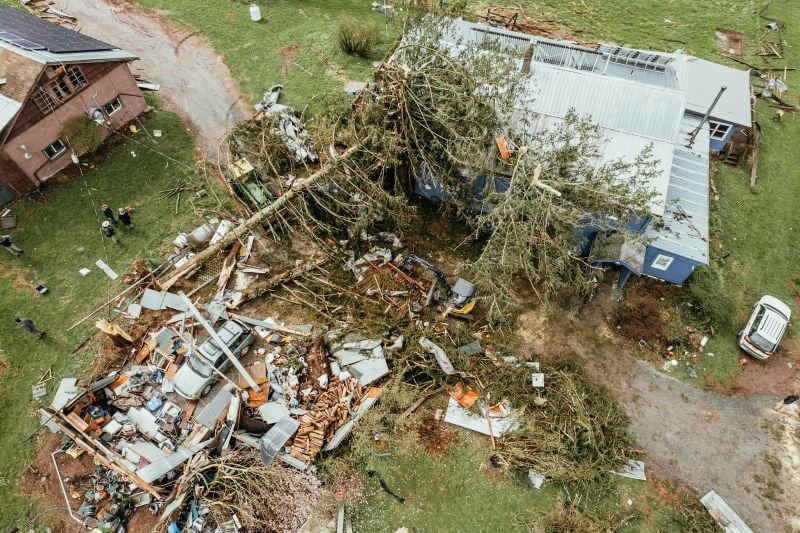
You file a claim after a bad storm. The insurance company sends its own adjuster, who walks through your home, takes photos, and hands you an offer that barely covers your deductible. You have no idea if that number is fair. Most homeowners don’t.
The person your insurer sent to assess your damage works for the insurer, not for you. That’s not a cynical take - it’s just how the system is structured. Staff adjusters and independent adjusters hired by insurance companies both serve the insurer’s interests. Their job is to assess what the policy requires the company to pay, not to find every dollar you’re owed.
That’s the gap a public adjuster fills. This article explains what they actually do, when hiring one makes financial sense, and how to find a legitimate one.
What a Public Adjuster Actually Does
Working with a licensed public adjuster means having someone on your side who documents damage on your behalf, interprets your policy language, calculates replacement costs, and negotiates directly with the insurer - all without any payment until you get a settlement. They represent you, the policyholder, from the first inspection through the final check.
That’s different from two other types of adjusters you’ll encounter. Staff adjusters are employees of the insurance company. Independent adjusters are freelancers hired by insurers to handle overflow - they’re still paid by the insurer, not by you. A public adjuster is the only one in the process who works exclusively for the homeowner.
Most states require public adjusters to hold a state-issued license and carry errors-and-omissions insurance. The NAIC Public Adjuster Licensing Model Act sets minimum standards for training, background checks, and continuing education that most states have adopted into law.
The Numbers Behind Denied and Underpaid Claims

The insurance claim environment has gotten harder for homeowners. In 2024, 42% of homeowners’ insurance claims nationwide were closed without payment, according to a Weiss Ratings analysis of NAIC data reported by National Mortgage News. The 14 largest insurers closed nearly 48% of claims without paying.
It’s not just denials. The J.D. Power 2025 U.S. Property Claims Satisfaction Study found satisfaction dropped 47% year-over-year, with average claim cycles stretching to 44 days. Homeowners filed 12.4% more formal complaints in 2025 than in 2024 - rising from 16,264 to 18,282, the largest percentage increase of any insurance category, according to Insurify’s analysis of NAIC data.
These numbers don’t mean every claim needs a public adjuster. But they do show the environment you’re working in. A denial or low offer isn’t automatically the last word. For advice on navigating the process from the start, our guide on tips for dealing with insurance adjusters covers seven practical steps homeowners can take before a dispute ever arises.
Five Situations Where a Public Adjuster Is Worth It
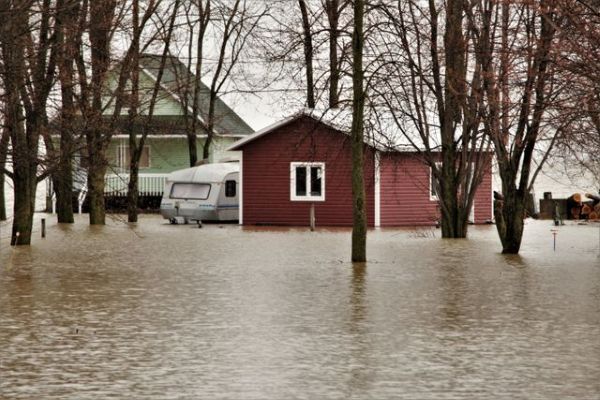
Not every claim justifies the cost of professional representation. Here are the five situations where the data - and common sense - support hiring one:
1. Large or catastrophic loss: Fire, hurricane, or major flooding tends to generate the most disputes and the biggest payout gaps. A Florida Office of Program Policy Analysis and Government Accountability (OPPAGA) study found that policyholders with public adjuster representation received settlements 747% higher on catastrophic claims than those without one, according to the Florida Association of Public Insurance Adjusters citing OPPAGA Report No. 10-06.
2. The insurer’s offer is far below contractor estimates: If two independent contractors quote $45,000 in repairs and the insurer offers $18,000, that gap deserves scrutiny. A public adjuster can build a documented case for why the offer is inadequate.
3. Your claim involves multiple damage types: Wind-and-hail damage that lets in water, for example, can trigger coverage disputes about what caused what. Policies distinguish between covered perils, and overlapping damage types require careful interpretation. Our article on common types of property damage explains the distinctions that tend to come up during the claims process.
4. Your claim has been delayed without explanation: A claim sitting in limbo for weeks, with no written explanation from the insurer, is a red flag. A public adjuster can apply formal pressure and document the delay.
5. Your claim was denied, but you believe it’s covered: Denials aren’t final. A public adjuster can review the denial letter, identify whether the insurer applied the policy correctly, and build a documented appeal.
When you probably don’t need one: minor claims below $5,000, or straightforward single-event damage where the insurer’s offer lines up with contractor estimates. The fee structure makes PA representation cost-effective only when meaningful money is at stake.
What Public Adjusters Cost and What to Watch Out For
Public adjusters work on contingency - typically 5-15% of the final settlement, though some states allow up to 20% for standard claims and cap fees differently for catastrophe declarations. The fee comes out of your settlement, not your pocket up front.
The math can work strongly in your favor. Say your insurer offers $20,000 for storm damage and a public adjuster negotiates the settlement to $50,000. At a 10% fee, you pay $5,000 - but your net gain is still $25,000 more than you’d have received alone. The average homeowners’ insurance claim payout reached $20,062 in 2023, up 45% from $13,884 in 2019, according to the Insurance Information Institute. With stakes that high, a percentage-based fee often makes sense.
Watch for two red flags. First, unlicensed “storm chasers” who knock on doors after disasters and claim to be adjusters. They’re often neither licensed nor insured. Second, contractors who offer to “handle your claim” in exchange for the repair work - this is illegal in most states and creates a serious conflict of interest. Any legitimate public adjuster will hand you a written contract before touching your file.
How to Verify and Hire the Right One
Before signing anything, run through these steps:
1. Check your state’s department of insurance website for license verification. Every state with a licensing requirement maintains a searchable database. If the name doesn’t appear, walk away.
2. Ask for a written contract before any work begins. In most states this is legally required, not optional.
3. Confirm the fee percentage in writing and ask whether the state has a cap. Fee caps change after declared disasters.
4. Avoid anyone who approaches you unsolicited after a storm. Legitimate public adjusters don’t cold-knock neighborhoods.
5. Ask for at least two references from past clients with similar claim types - not just satisfied customers in general.
If you’re still weighing whether to file at all, our article on whether to file a homeowners insurance claim covers the four factors worth considering before you start the process.
The Bottom Line
Your insurer’s adjuster serves the insurer’s interests. That’s not a flaw in the system - it’s just how it works. A public adjuster serves yours.
Most claims don’t need one. But for large losses, disputed offers, or claims that have been denied despite what looks like clear coverage, the data makes a strong case for professional representation. The settlement gap between represented and unrepresented homeowners on major claims isn’t marginal - it’s significant.
Most public adjusters offer a free initial consultation. Use it. Bring your denial letter or the insurer’s settlement offer and ask whether the number is in the right range. That conversation costs you nothing and could change the outcome of your claim.