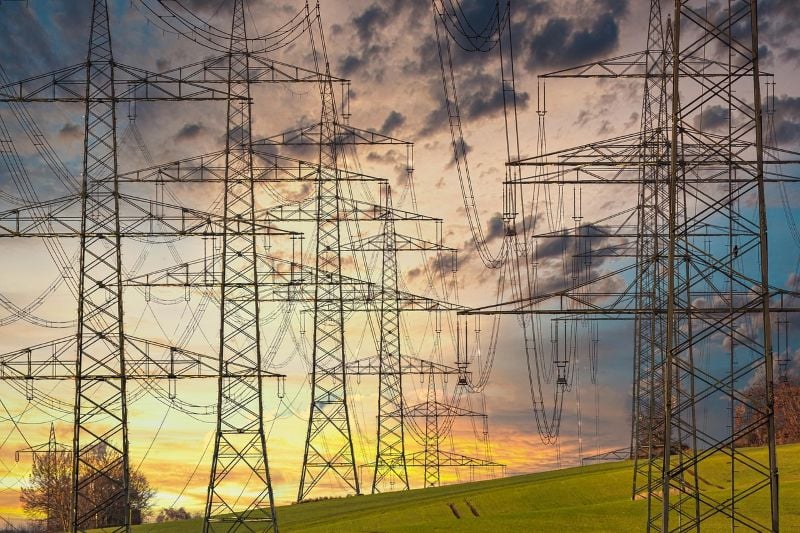
According to the U.S. Bureau of Labor Statistics, the median annual wage for those who work on electrical power line installation and repair was over 90,000 dollars as of May 2024. Employment in the occupation is also projected to grow 7 percent in the next 10 years.
The numbers demonstrate that the power grid is set to become even more important, and those who are essential in its maintenance will be well rewarded for that choice of career.
The Unsung Heroes of Electricity
Electricity is something we take for granted until there's a disruption. That's when you really start considering how important the towers, distribution poles, and transformers are. They keep clean, reliable electricity flowing into homes and businesses around the country.
Of course, somebody has to keep these systems in service. Skilled electrical line workers are responsible for the following:
-
- Erecting poles
- Stringing and splicing cable
- Diagnosing faults in circuit breakers and voltage regulators
- Replacing equipment that has aged
When storms or high winds bring down the lines, the importance of their work is quite clear. Crews will often work through the night or through inclement weather to restore power to businesses, homes, and other critical locations like hospitals and schools.
Training the Next Generation of Line Workers
Because the job carries real risk, nobody starts on a live line. Those who want to train as an electrical lineworker typically start with specialized programs at trade schools and community colleges.
A good program covers:
-
- Electrical theory and grid fundamentals
- Pole climbing and bucket truck operation
- Rigging and equipment handling
- CPR and first aid
- Safety procedures
Hands-on experience matters as much as classroom time. Students practice on training poles and de-energized equipment until the skills stick. Graduates move into paid apprenticeships, logging thousands of supervised hours before qualifying as journey-level workers.
Growing Demand for Line Workers
Several factors are co-occurring, increasing demand for line workers. First is population growth, which means that new housing developments and commercial buildings need to be connected to the grid.
It's not just growing population that puts strain on the electricity supply. The electric grid is full of aging infrastructure that was built decades ago and is well due for replacement, and that's ill-suited to handle the increased demand. The rise of new technologies such as the data centers fueling the AI boom, and electric vehicle charging stations powering the latest type of automobiles, mean that there are thousands of electric power line installation jobs available. The demand rises each year.
Challenges of Electrical Line Work
Line work is demanding compared to other careers, given how important it is to keep the power grid operational. Workers often operate at unsafe heights, next to energized equipment carrying thousands of volts. The workers need to be prepared to deal with these conditions in hot summer heat and freezing winters.
Safe line work follows procedures covered by OSHA standards for the industry, including:
-
- Proper grounding
- Insulated tools
- Rubber protective equipment
- Minimum approach distances
- Clear communication with the crew
Physical fitness is also important for applicants because the job involves lifting heavy hardware and doing long difficult shifts during storm restoration. Electrical line workers need to keep electricity flowing in their communities with careful preparation and persistence.
A Promising and Valuble Career
Every light that stays on is the result of skilled hands most people never see. The grid is getting bigger and more complex, and the workers who maintain it will keep growing more valuable. The BLS wage and growth figures back that up. For anyone drawn to essential work, this trade offers a stable career built to last.
If you're interested in learning more about the latest technology, see our article archive.