Modest gains in sales, prices, and inventory, as well as declining rents, point to more balanced market dynamics, while incomes and easing mortgage rates lift affordability
Realtor.com® today released its 2026 Housing Forecast, which predicts a market steadying – carefully, after several years defined by affordability strain, limited inventory, and a sharp slowdown in activity. Buyer conditions will improve gradually as mortgage rates ease, incomes rise, and more homes continue to come onto the market. Still, the recovery is expected to be slow, with existing-home sales remaining well below normal and broader political dynamics and economic risks leaving the outlook somewhat fragile. See table below for individual metro sales and price forecasts.
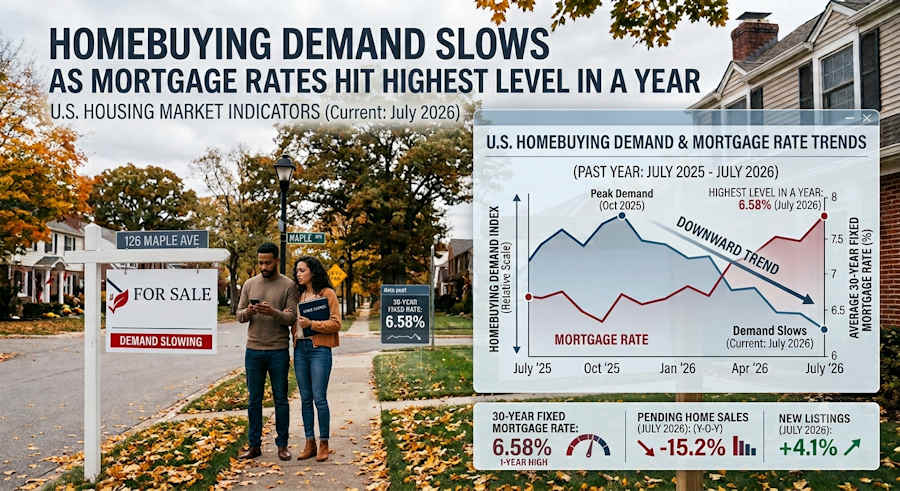
Realtor.com® forecasts that the average 30-year mortgage rate will hold near 6.3% in 2026, down slightly from 2025’s 6.6% average. That rate relief, paired with steady income growth, should help ease the affordability crunch and bring the typical mortgage payment share of income down to 29.3% – the first time since 2022 that this key measure drops below the 30% affordability threshold. Moreover, rent prices will continue their decline rounding out 2026 at -1%.
Home prices are expected to rise 2.2%, adding to the 2.0% gain seen in 2025. But because inflation is projected to rise at a faster pace, real (inflation-adjusted) home prices will decline for the second consecutive year, offering additional breathing room for buyers even if nominal prices continue inching higher.
“After a challenging period for buyers, sellers and renters, 2026 should offer a welcome, if modest, step toward a healthier housing market,” said Danielle Hale, chief economist at Realtor.com®. “Incomes climbing faster than inflation as mortgage rates steady at a lower level create space for affordability to improve. Declining rental prices will continue to give renters more relief from pandemic highs. It’s not a dramatic reset, but it’s a meaningful shift that moves the market back toward balance.”
Realtor.com® forecasts in 2026 buyers and sellers can expect:
- Average 30-year mortgage rates of 6.3%, after higher than expected interest rates in most of 2025, mortgage rates finally relaxed in the second half of the year. We expect mortgage rates to remain roughly in this range throughout 2026 as slowing economic growth and the end of the Fed's quantitative tightening offset rising U.S. government debt and inflationary pressure that's expected to be temporary.
- Home prices will grow by 2.2%; however, real (inflation-adjusted) home prices will decline slightly for a second consecutive year
- Rents will drop slightly, by -1.0% nationally. Rents in the South and West could see larger declines
- An 8.9% increase in existing home inventory continuing the trend from the past two years
- Single-family new home starts will grow by 3.1%, reaching 1.0 million homes, slight increase from 2025 actuals
- Home sales will grow 1.7% year over year to 4.13 million
- Affordability improves modestly as the monthly payment to buy the typical home is expected to slip to 29.3% of median income, its first year under the 30% affordability threshold since 2022.
- Balanced Market: The national housing market will remain in balanced territory in 2026, averaging 4.6 months of supply across the year.
Inventory Recovery Extends Into a Third Year
The number of homes for sale will continue to expand in 2026, with active listings rising 8.9% year over year, marking the third consecutive year of inventory gains. The recovery is slowing as the market approaches more typical levels, but progress continues. By the end of 2026, for-sale inventory is expected to sit about 12% below pre-2020 norms, a significant improvement from the 19% gap in 2025 and the nearly 30% deficit seen in 2024.
With supply growing faster than sales, the national housing market will average 4.6 months of supply, keeping the market in balanced territory throughout 2026 even as it inches towards the 6 months supply threshold that marks the beginning of a buyer's market. Negotiating power is expected to tilt slightly toward buyers as more homes come online and affordability improves—though younger and first-time buyers will continue to face financial hurdles.
Home Prices Climb, but Not in Real Terms
Home prices are expected to continue to climb in 2026, adding 2.2% for the typical home sold. These gains come on top of the 2.0% increase registered in 2025. However, inflation is expected to outpace these gains, with consumer prices likely growing more than 3%. That means real (inflation-adjusted) home prices will decline slightly for a second consecutive year.
Affordability Improves Modestly but Meaningfully
Rising incomes, easing mortgage rates, and slower price growth are expected to deliver some of the first notable improvements in affordability since 2022. The typical monthly mortgage payment for a median-priced home is projected to fall 1.3% year over year, and the payment share of median income is expected to dip to 29.3% — below the 30% threshold for the first time in four years.
“The path back toward historic levels of affordability will be gradual, but 2026 takes a solid step in the right direction,” Hale said. “For many buyers who have spent years navigating limited options and steep competition, a balanced market with more choices and slightly lower cost burdens can be a game-changer, even if conditions remain far from easy.”
Softer Rents, Especially in the South and West
Renters are also poised to see continued relief. Realtor.com® expects rents to decline 1.0% nationally in 2026 as robust multifamily construction feeds new supply into the market. Vacancy rates are likely to approach or exceed the long-term average of 7.2% by year’s end, further easing conditions.
The South and West will see the largest benefits from rent softening, driven by significant new construction and already-moderating prices. In high-density, high-cost metros such as New York City, however, rents will remain elevated and affordability will continue to pose challenges despite broader national relief.
Modest Improvement in Home Sales, but Lock-In Effect Persists
Existing-home sales are projected to rise 1.7% in 2026 to 4.13 million, a small but notable gain after a nearly flat 2025 and one of the slowest sales periods in nearly 30 years. Even so, sales will remain historically low. High prices and elevated mortgage rates continue to weigh on demand, and the market is still grappling with an entrenched lock-in effect.
Recent data show that four out of five mortgage-holding homeowners have a rate below 6%, giving many little incentive to move unless life changes—such as a new job, family needs, or downsizing—force their hand. That trend is expected to continue into 2026, keeping turnover subdued even as conditions gradually improve.
Economic and Policy Risks Persist
While the base forecast calls for a modestly improving housing environment, several risks could shift the outlook:
- Policy uncertainty related to fiscal and trade measures could influence inflation dynamics and consumer sentiment.
- Federal Reserve policy remains a major wildcard; tightening or easing too quickly could disrupt progress.
- A softening labor market could slow consumer spending, weakening housing demand.
- Inflation pressures — driven by tariffs, energy costs, or supply chain shifts — could impact both mortgage rates and household budgets.
Although a recession is not the base case, the economy remains in a sensitive period of adjustment. A policy misstep or shift in consumer sentiment could create a temporary setback with implications for housing.
Table 1: Realtor.com® 2026 Forecast
|
2026 Realtor.com® Forecast |
2025 Realtor.com® Full Year Expectations |
2024 Historical Data |
2013-2019 Historical Average |
|
|
Mortgage Rates |
6.3% (avg) 6.3% (year-end) |
6.6% (avg) 6.3% (year-end) |
6.7% (avg); 6.7% (year-end) |
4.0% (avg) |
|
Existing Home Median Price Appreciation (Y/Y) |
+2.2% |
+2.0% |
+4.5% |
+6.5% |
|
Existing Home Sales (Y/Y | Annual Total) |
+1.7% |
+0.1% |
-0.6% |
+2.1% |
|
Existing Home For-Sale Inventory (Y/Y) |
+8.9% |
+15.2% |
+15.2% |
-3.6% |
|
Single-Family Home Housing Starts (Y/Y | Annual) |
+3.1% |
-4.3% |
+6.9% 1.02 million |
0.77 million |
|
Homeownership Rate |
64.8% |
65.1% |
65.6% |
64.2% |
|
Rent Growth |
-1.0% |
-1.4% |
-0.6% |
+5.2% |
Table 2: Local Market Predictions
|
Metro |
2026 Sales Growth % y/y |
2026 Price Growth % y/y |
|
0.6% |
5.1% |
|
|
-4.1% |
7.5% |
|
|
-4.3% |
3.5% |
|
|
-13.6% |
5.9% |
|
|
-3.5% |
-0.1% |
|
|
-4.9% |
1.3% |
|
|
-7.0% |
2.0% |
|
|
1.8% |
4.3% |
|
|
-2.6% |
8.3% |
|
|
7.1% |
2.2% |
|
|
0.0% |
6.2% |
|
|
3.7% |
-0.8% |
|
|
4.7% |
2.6% |
|
|
1.0% |
6.9% |
|
|
-0.2% |
1.9% |
|
|
5.7% |
-10.2% |
|
|
-7.6% |
3.3% |
|
|
-2.4% |
1.1% |
|
|
0.4% |
5.6% |
|
|
-2.3% |
4.4% |
|
|
-3.2% |
3.1% |
|
|
-2.0% |
6.3% |
|
|
-4.2% |
-0.4% |
|
|
0.3% |
7.2% |
|
|
-2.1% |
4.0% |
|
|
-5.4% |
1.8% |
|
|
-1.3% |
6.3% |
|
|
-7.7% |
-3.6% |
|
|
-2.9% |
-3.4% |
|
|
-4.7% |
-0.9% |
|
|
-1.2% |
4.2% |
|
|
1.0% |
2.9% |
|
|
-7.0% |
2.8% |
|
|
0.5% |
6.3% |
|
|
2.1% |
2.8% |
|
|
6.9% |
3.7% |
|
|
-10.9% |
4.4% |
|
|
-8.1% |
3.1% |
|
|
7.7% |
4.0% |
|
|
7.6% |
9.5% |
|
|
-0.6% |
0.4% |
|
|
-6.4% |
6.6% |
|
|
-0.4% |
4.6% |
|
|
-9.4% |
-1.4% |
|
|
1.7% |
5.4% |
|
|
-10.8% |
0.7% |
|
|
-6.4% |
3.9% |
|
|
1.3% |
-0.2% |
|
|
-2.5% |
0.6% |
|
|
3.9% |
4.6% |
|
|
1.8% |
1.8% |
|
|
5.1% |
3.5% |
|
|
2.7% |
2.2% |
|
|
3.3% |
4.6% |
|
|
-7.7% |
1.8% |
|
|
-16.2% |
1.1% |
|
|
3.5% |
7.0% |
|
|
3.8% |
1.2% |
|
|
-3.5% |
0.5% |
|
|
2.3% |
7.7% |
|
|
-4.4% |
5.8% |
|
|
-4.4% |
5.2% |
|
|
-0.3% |
-8.9% |
|
|
-6.1% |
1.1% |
|
|
3.1% |
-0.4% |
|
|
-9.5% |
-1.6% |
|
|
2.5% |
0.9% |
|
|
4.5% |
-1.0% |
|
|
-5.1% |
5.7% |
|
|
4.9% |
-2.3% |
|
|
4.0% |
5.7% |
|
|
4.7% |
4.6% |
|
|
-2.5% |
0.2% |
|
|
7.1% |
4.1% |
|
|
-4.4% |
-3.7% |
|
|
3.6% |
6.9% |
|
|
-1.4% |
1.5% |
|
|
5.3% |
10.3% |
|
|
1.5% |
-3.3% |
|
|
2.2% |
3.1% |
|
|
4.2% |
1.7% |
|
|
0.4% |
0.2% |
|
|
2.3% |
0.7% |
|
|
2.5% |
-2.5% |
|
|
0.0% |
0.7% |
|
|
-6.2% |
10.9% |
|
|
4.2% |
-0.3% |
|
|
8.1% |
-3.5% |
|
|
-5.7% |
-4.1% |
|
|
-5.7% |
12.4% |
|
|
-2.1% |
-3.6% |
|
|
-1.2% |
13.1% |
|
|
-1.5% |
-0.5% |
|
|
2.2% |
2.3% |
|
|
2.3% |
2.6% |
|
|
-3.6% |
6.6% |
|
|
-1.3% |
5.1% |
|
|
-3.2% |
3.1% |
|
|
-0.2% |
7.7% |
|
|
12.6% |
2.4% |
Methodology
Realtor.com’s model-based forecast uses data on the housing market and overall economy to estimate values for these variables for the year ahead. The forecast result is a projection for annual total home sales increase (total 2026 existing-home sales vs. 2025) and annual median home sales price increase (2026 median existing-home sales price vs. 2025).