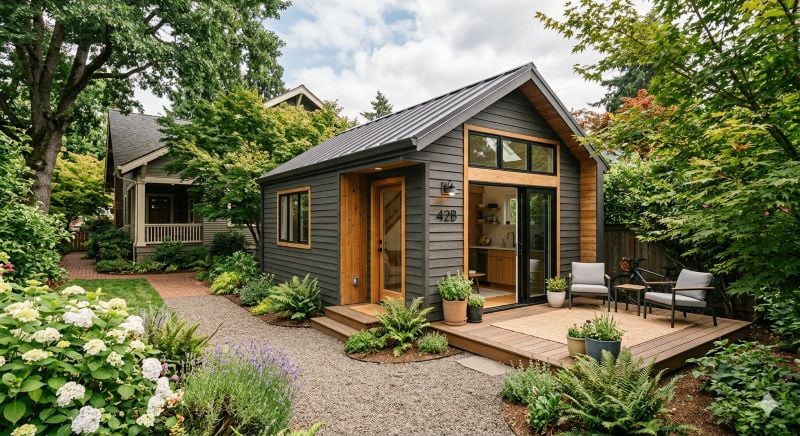
With interest rates rising and the economy expected to contract, choosing the right property investment has never been more important. In this article, we look at why you should consider investing in an HMO. We cover everything from what an HMO is, how to finance them and why they’re such a popular investment. Read on to find out more.
What is an House in Multiple Occupation (HMO)?
A house in multiple occupation (HMO) is a property that is occupied by more than one household and is being used as a main residence by the occupants. It is also known as a "shared house." An HMO can be a house, flat, or bedsit that is occupied by people who are not part of the same family.
HMOs are regulated by the relevant local council and must meet certain standards for health and safety. Landlords of HMOs are required to obtain a license from the local council, which demonstrates that the property meets the necessary standards and that the landlord is a fit and proper person to be managing an HMO.
Landlords are also required to comply with various other legal obligations, such as carrying out regular safety inspections, fire inspections, and maintaining the property in a good state of repair.
HMOs are financed using an HMO mortgage, which according to ABC Finance, are available up to 75% of the property value, meaning a 25% deposit is required.
How do HMO mortgages work?
HMO mortgages work in much the same way as a standard or buy-to-let mortgage. The mortgage is taken against the property and repaid through regular monthly payments. The main difference is that the property being purchased is intended to be used as a house in multiple occupation (HMO).
Most HMO mortgages are taken out on an interest-only basis, meaning you pay only the interest each month. This allows you to keep your payments low, meaning you benefit from a greater profit from your rental income once your outgoings have been offset.
To qualify for an HMO mortgage, the borrower typically needs to have a good credit score and be able to demonstrate that they have the income and assets necessary to make the monthly mortgage payments. Some, but not all lenders also require the borrower to have experience managing an HMO property and may require a larger down payment than for a traditional mortgage.
The terms of an HMO mortgage may be different from those of a traditional mortgage, depending on the lender's policies. For example, the interest rate may be higher, and the lender may require the borrower to have a larger cash reserve to cover any potential vacancies or unexpected expenses.
Why are HMOs such a popular investment?
There are several reasons why HMO (house in multiple occupation) properties can be a popular investment:
- Higher rental income: HMO properties often generate higher rental income compared to traditional rental properties because they can be occupied by multiple tenants, each paying a portion of the rent.
- Greater cash flow: With multiple tenants, there is a greater cash flow coming in, which can make it easier to cover expenses and make mortgage payments.
- Potential for long-term tenants: HMO properties are often rented out to students or young professionals who may be looking for a long-term rental. This can provide stability and predictability for the landlord.
- Demand for rental housing: In many areas, there is a high demand for rental housing, especially among students and young professionals. This can make it easier to find tenants for an HMO property.
- Potential for tax benefits: Owning an HMO property can provide certain tax benefits, such as being able to claim deductions for expenses related to the property.
However, it's important to note that owning an HMO property also comes with additional responsibilities and risks, such as the need to comply with regulations and the possibility of dealing with tenant issues. It's important to thoroughly research and consider all factors before making an investment in an HMO property.
What to consider before buying an HMO
Here are some things to consider before buying a house in multiple occupation (HMO):
- Regulations and licensing: HMOs are regulated by the government and require an HMO license from the local council. Make sure you understand the requirements for obtaining a license and that the property you are considering meets all necessary standards.
- Condition of the property: As with any property, it's important to carefully inspect the condition of the HMO before purchasing it. Look for any signs of disrepair or potential issues that may need to be addressed in the future.
- Demand for rental housing: Research the local rental market to determine the demand for HMO properties in the area. Look for areas with a high concentration of students or young professionals, as they are often the primary renters of HMOs.
Potential rental income: Calculate the potential rental income you can expect to receive from the HMO based on the number of bedrooms and the rental rates in the area. Make sure the rental income will be sufficient to cover the mortgage, taxes, insurance, and other expenses.