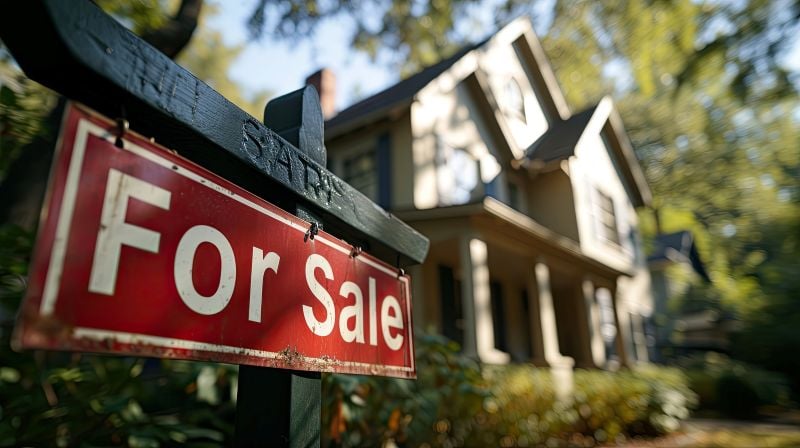
Owning a home has long been a cornerstone of the American dream. However, many homeowners are surprised to discover that the true cost of ownership extends far beyond the purchase price and mortgage payments. From property taxes and insurance to maintenance and unexpected repairs, these hidden expenses can add up quickly and strain a budget.
While spending varies by location, home size and other factors, understanding the often-overlooked costs of homeownership and developing strategies to manage them can help homeowners plan wisely and avoid financial surprises.
Property taxes
Many homeowners overlook a crucial expense when estimating mortgage payments: property taxes. Typically paid with the home loan, taxes vary widely by state, county and even neighborhood, with median property taxes ranging from a few hundred dollars to over $10,000 annually. Factors such as home size, property value and local tax rates all play a role.
Property taxes aren’t static — they can increase over time, especially after reassessments or home value appreciation — so what a homebuyer pays today may be significantly different in five years. Increases in property taxes equate to a higher mortgage payment if paid with the home loan, something many homeowners aren’t typically aware of. In a recent survey from JW Surety Bonds, 62% of respondents were unsure of their current annual property tax amount.
Savings strategies: To manage costs, research a property's tax history before buying, consider areas with lower rates and challenge assessments if they seem inaccurate. Budgeting for future increases can help avoid financial strain.
Homeowners insurance
Homeowners insurance is another expense that can add hundreds of dollars to a monthly mortgage payment, with annual coverage costing an average of $2,478. A standard homeowners insurance policy covers common risks like fire, storms and theft, but additional coverage may be necessary depending on location. For example, homeowners in flood-prone areas may need flood insurance, while those in earthquake zones might require specialized policies.
Savings strategies: To lower costs, consider bundling homeowners insurance with auto or other policies, increasing deductibles and shopping around for the best rates. Selecting appropriate coverage without over-insuring can also help reduce expenses.
Maintenance and repairs
New homeowners often underestimate or fail to plan for ongoing maintenance and repairs. Routine upkeep, such as lawn care, outdoor maintenance and HVAC servicing, can each cost hundreds of dollars annually, while significant repairs — like replacing a roof, resurfacing a driveway or fixing plumbing issues — can run into the thousands. Seasonal needs, such as snow removal, can also add to expenses and are easy to overlook.
Home repair website Homeguide estimates annual home maintenance costs average between $4,000 and $22,000, with factors such as home size, location, property condition and more determining actual spending.
Savings strategies: To prepare, financial experts recommend setting aside a minimum 1% to 4% of the home’s value annually for maintenance and creating dedicated funds for major expenses like appliance and roof replacement. Handling minor DIY repairs, scheduling preventive maintenance, opting for maintenance plans and shopping around for service providers can help reduce overall costs.
Utilities and energy costs
Every home incurs utility costs, but the total expense can vary significantly based on location, home size and efficiency. Common utilities include electricity, gas, water, trash removal and internet, with monthly costs averaging $500 to $600.
Older homes with outdated insulation and appliances often have higher energy bills, while larger homes require more heating and cooling.
Savings strategies: To manage costs, consider energy-efficient appliances, smart thermostats, LED lighting and proper insulation. Solar panels, while an upfront investment, can also lead to long-term savings. Comparing utility providers and reducing unnecessary usage can further lower expenses.
HOA fees and special assessments
If you’re considering purchasing in a community with a homeowners association (HOA), monthly or annual fees are an additional cost. These fees cover amenities like landscaping, security and shared facilities such as pools or gyms. HOA fees typically run around $200 to $300 a month, though they can be much higher, depending on the community.
Beyond standard fees, special assessments may be charged for unexpected repairs or improvements, such as roof replacements or infrastructure upgrades.
Savings strategies: Research HOA rules, fee structures and reserve fund health before buying to avoid surprises. Understanding potential future assessments can help with budgeting and financial planning.
Unexpected costs
Homeownership comes with unpredictable expenses, such as foundation issues, pest infestations or sudden home system failures. Additionally, replacing and upgrading furniture, renovating and other miscellaneous costs all add to the financial obligation of homeownership.
To prepare for and offset surprises, homeowners should maintain an emergency fund, ideally covering three to six months of expenses, with a portion set aside for home-related repairs and expenses. By performing regular home maintenance and upkeep, researching costs, budgeting proactively and setting aside funds for the unexpected, homeowners can manage their finances effectively and ensure their home remains a valuable asset.