In homes that now double as offices, classrooms, and quiet sanctuaries—sometimes all at once—the background soundtrack of daily life can feel relentless. A clattering kitchen just steps from a virtual meeting. Children’s voices ricocheting through the hallway during someone else’s moment of rest. It’s not chaos, exactly, but it’s certainly noise. And for those who need peace without the financial burden of tearing down walls or retrofitting every surface with high-end soundproofing, the concept of acoustic zoning has quietly stepped in as a powerful, if underappreciated, tool in the world of interior design.
At its core, acoustic zoning involves shaping how sound travels within a space—how it is absorbed, deflected, softened, or siloed—through intentional choices in layout, material, and design. No sledgehammers, no permits. Just a deeper awareness of how rooms feel and how noise behaves inside them.
A Quiet Revolution Within the Home
We rarely consider sound until it becomes disruptive. Unlike clutter, which we can see and address with storage bins, or temperature, which we can fix with a thermostat, poor acoustics are an invisible nuisance. Yet they leave a very tangible impact. Discomfort. Irritability. Fatigue. The wrong acoustic setup can fragment attention and elevate stress. A good one, on the other hand, calms the nervous system and fosters a sense of flow, even in a household with competing needs and personalities.
Acoustic zoning doesn’t require knocking down walls or investing in thick insulation. It simply asks you to think of your living space as a landscape of sounds—some to be muted, others contained, and all to be managed.
Mapping the Sonic Terrain: How to Create Acoustic Zones
Start With the Furniture
One of the simplest yet most overlooked tools in acoustic design is your furniture. Large items like bookshelves, couches, wardrobes, and even oversized chairs can serve as both physical dividers and sound dampeners. A bookshelf filled with densely packed volumes does more than just hold stories. It becomes a sound buffer, breaking the trajectory of echoing voices or ringing notifications.
Positioning a couch with its back facing a dining area, for instance, doesn’t just visually define the living space. It also slows and absorbs sound waves moving from one area to the next. Think of furniture not just as décor or utility, but as infrastructure for sonic privacy.
Soft Furnishings That Soften More Than Just Aesthetics
Rugs, cushions, drapes—these aren’t just cozy embellishments. They are frontline soldiers in the battle against acoustic chaos. A plush rug placed over hardwood or tile can reduce the noise of footsteps and soften harsh echoes that ricochet off hard surfaces. The thicker the material, the better the absorption. Look for dense fibers and multiple layers. Even rug pads, often forgotten or skipped, make a noticeable difference.
Curtains, especially those made from heavy fabrics like velvet or layered cotton, do more than block light. When drawn across windows or even used creatively as room dividers, they help muffle sound from outside and keep interior noise from traveling unchecked.
Creating Barriers Without Walls
In open-plan homes or multi-use rooms, freestanding partitions can offer much-needed structure without permanent alteration. Think fabric-covered panels, folding screens, or even tall plant arrangements. These not only divide space visually but also act as acoustic baffles, disrupting the direct path of sound.
A row of tall bookshelves, open-backed and filled with objects or books, can function as a surprisingly effective sound filter. For those working from home in living rooms or bedrooms, such divisions offer semi-private zones that feel contained, even if they are technically open.
Surface Treatments That Pull Double Duty
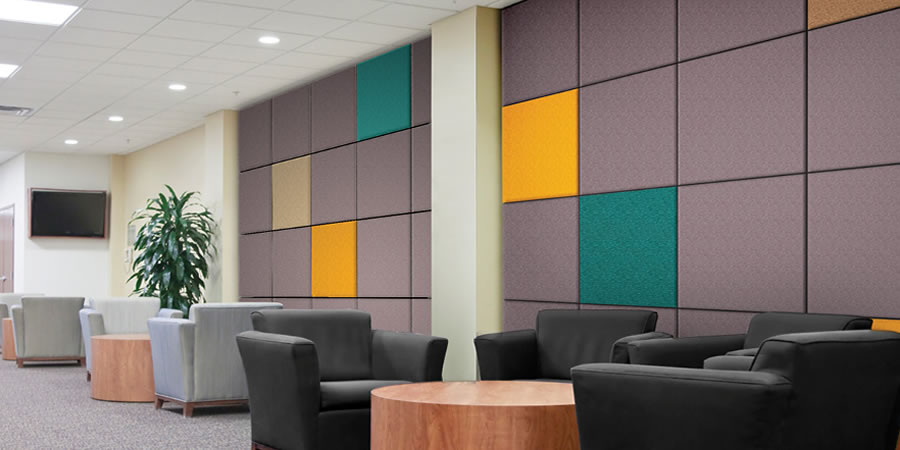
Walls are naturally reflective surfaces, bouncing sound back into a room unless they’re treated. While professional acoustic panels are available, there are also more accessible options. Hanging fabric wall art, layered tapestries, or corkboards can interrupt sound reverberation effectively. Cork, in particular, is a highly functional and sustainable material for this purpose. It absorbs rather than reflects, and it blends seamlessly into many design styles.
Some homeowners also opt to line walls with vertical gardens or moss panels. These additions don’t just serve an aesthetic function; they reduce echo and contribute to a softer, more peaceful auditory environment.
Don’t Forget What’s Underfoot
Floors are often overlooked in sound management conversations, yet they’re a significant contributor to how noise moves within a space. Hard surfaces like ceramic, laminate, or stone can act like amplifiers. A rug placed beneath a work desk or a thick carpet under a shared television area can help define an auditory boundary.
Layering materials—such as adding a felt rug pad beneath a wool rug—dramatically enhances sound absorption. In upstairs areas, this can also prevent sound from leaking to lower floors, reducing the impact on others working or resting below.
Nature’s Unexpected Role in Acoustics
Surprisingly, plants can contribute meaningfully to acoustic zoning. Large, leafy varieties such as fiddle leaf figs, rubber trees, or peace lilies absorb sound with their broad, textured leaves. Vertical gardens or clusters of plants placed between workspaces help diffuse noise and soften a room’s auditory profile.
Incorporating greenery also has psychological benefits. Beyond their sound-dampening qualities, plants are linked to improved mood, focus, and air quality. They create an environment that feels calmer—even if the decibel level hasn’t dropped dramatically, the perception of quiet often increases.
Real-Life Scenarios: Where Acoustic Zoning Shines
Consider a shared apartment where one person is attending virtual meetings while another is preparing lunch in the adjoining kitchen. Without acoustic zoning, sound overlaps. Frustration builds. Productivity plummets. But with a bookshelf placed between the dining table and living room, a thick rug underfoot, and a tall plant flanking the space, those zones begin to feel distinct—even though no structural change has occurred.
In family homes, where children might be studying in one room while a parent takes a work call nearby, fabric panels or curtains can help delineate space. Even something as simple as placing a high-backed chair in a corner can carve out a pocket of sonic calm. The key is intentionality: recognizing how people use the space and adjusting it accordingly.
Recognizing the Limits
Of course, acoustic zoning isn’t a miracle solution. It cannot completely block out loud neighbors or construction noise from the street. External noise pollution may still seep in, particularly through windows or thin walls. But it does help manage internal noise—the friction caused by overlapping activities and shared spaces.
Room size, ceiling height, and materials used in construction all play a role in how well these strategies work. In smaller apartments, options might be limited. But even in constrained environments, thoughtful layering and spatial awareness can improve the sense of quiet.
Designing for the Ears as Much as the Eyes
Our homes are more than just visual compositions. They are living, breathing environments that shape our moods, our work, and our rest. Acoustic zoning invites us to think about design with our ears as much as our eyes.
By integrating soft textures, thoughtful layouts, and natural elements, it’s entirely possible to turn an echo-prone living room into a productive workspace or convert a busy hallway into a softer, more navigable zone. It’s not about creating perfect silence. It’s about curating the right sounds for each corner of the home.
And the best part? You won’t need to tear anything down. Just rearrange, rethink, and listen.