|
Monday Morning Quarterback
(Merry Christmas)
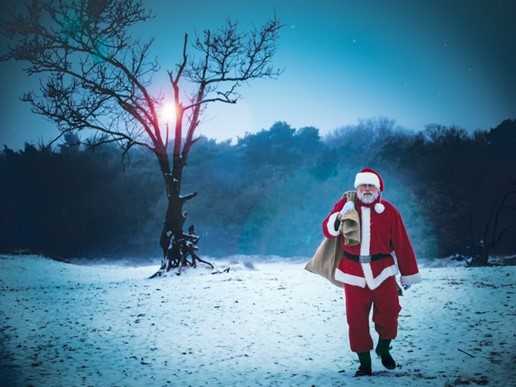
Santa Claus Around the World. Perhaps the most well-known Santa Claus story is the tale of a white-bearded man slightly overweight dressed in a bold red suit who on the 24th of December leaves the North Pole and travels all around the world delivering gifts to children who are sleeping. On the following day, it is a Christmas tradition to wake up at the crack of dawn to open up Christmas presents. However, in many countries Santa Claus may have a different name, and may also dress differently. That is because many cultures have developed different traditions around the man that brings happiness to so many children (and adults) every year…
La Befana, Italy
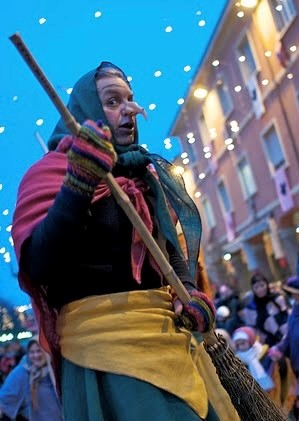
In Italy, it is not a man but a woman who sneaks in on Christmas Eve. La Befana is an amicable witch who travels on her rusty broomstick from house to house delivering presents to all children. She is pictured in dark attire possibly due to climbing up and down chimneys. Unlike Santa Claus, you don’t leave cookies and milk. Rather you leave her a nice glass of Pinot Grigio or Barbera. After all, it is Italy!
|
|
|
Sinterklaas, Netherlands
In the Netherlands, Santa Claus is called “Sinterklaas” and the story behind the name is quite interesting. Sinterklaas travels from Spain to the Netherlands every year at the end of November. He will have then three weeks to deliver the presents. Sinterklaas makes it to every household on top of his white horse and is guided by a little helper called “Black Peter.” Black Peter is actually the one who enters the houses and places the presents under the Christmas tree. The Dutch people celebrate Christmas Eve and Christmas Day on the 5th and 6th of December to commemorate the day of Saint Nicholas.
|
|
|
Le Père Fouettard and Père Noël, France
In French speaking countries, “Père Noël” stands for Father Christmas. Very similar to the American tradition. This is the guy that delivers presents on Christmas Eve to children that have been good during the year. However, in French culture there is a second man called “Le Père Fouettard” (or “Father Whipper”) who travels alongside delivering bags of coal to the children who behaved badly during the year. The tradition says that he came with a whip although this belief seems to have faded away over the years. So which were you this year? Good or bad?
|
|
|
Hoteiosho, Japan
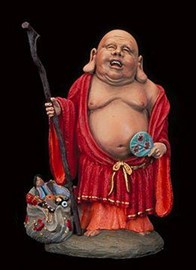
The Japanese culture may be one of the most ancient in the world. So Christmas is not a traditional celebration in Japan. Yet a version of Santa Claus has creep into the culture. “Hoteiosho” is a buddhist monk who carries a large sack of toys around his belly. It is said that he has eyes behind his head so he knows which children are deserving of gifts. He is the god of fortune. So instead of looking scary he is often represented as jovial and caring. Like the other Santas, he is overweight. But unlike other Santas, he has the misfortune of over-sized ears!
|
|
|
Jolasveinar, Iceland
In Iceland, folklore says that there are actually thirteen Santa Claus. Commonly known as the “Yule Lads,” tradition says that thirteen sons of mountain trolls used to forage and steal from farmers’ houses. Over the years, people believe that Yule Lads go from house to house during the 13 days before Christmas leaving gifts for the children who were good and leaving rotten potatoes inside the shoes of children who were bad.
|
|
|
Heilige Nikolaus - Austria
“Heilige Nikolaus” is part of the Advent celebrations in central Europe. St Nicholas of Myra, as he is known in English, is the original Santa Claus. The Feast of St Nicholas is on December 06 and, originally, this was the day when presents were given to children who had been good in the previous year. This custom was suppressed during the religious wars of the Middle Ages but the tradition remained strong in Austria, Bavaria, and northern Italy. On the evening before the Feast of St Nikolaus, a figure dressed in a bishop’s costume as the Heilige Nikolaus parades through the streets. His traditional accompaniment is a group of Krampus, scary figures in wooden masks, wearing furs and clanking cowbells, and armed with birch twigs and coal ash to punish children who have been bad. But in other locations, the Heilige Nikolaus (and the Krampus!) will still go door to door to visit families. They question the children and (forewarned by the parents) tell them if they have to do better next year before distributing bags of goodies.
|
|
|
Papai Noel - Brazil
If you’re celebrating Christmas in Brazil, you will want to learn about a sympathetic old guy named “Papai Noel.” Papai Noel is basically the Brazilian version of Santa Claus. For starters, “Papai” is Portuguese for daddy and “Noel” comes from the Latin Natalis, which means “relating to birth.” This friendly guy wears red and has a long white beard, and although he is very old, he travels all the way from the North Pole to bring gifts to Brazilian children. Contrary to Europe’s tradition, Brazil’s version of Santa Claus doesn’t come from Finland specifically, but from an ice-covered magical town with no name in the North Pole. He lives with his wife, the Mamãe Noel, countless magic elves, and ten reindeer.
|
|
|
Ježíšek – Czech Republic
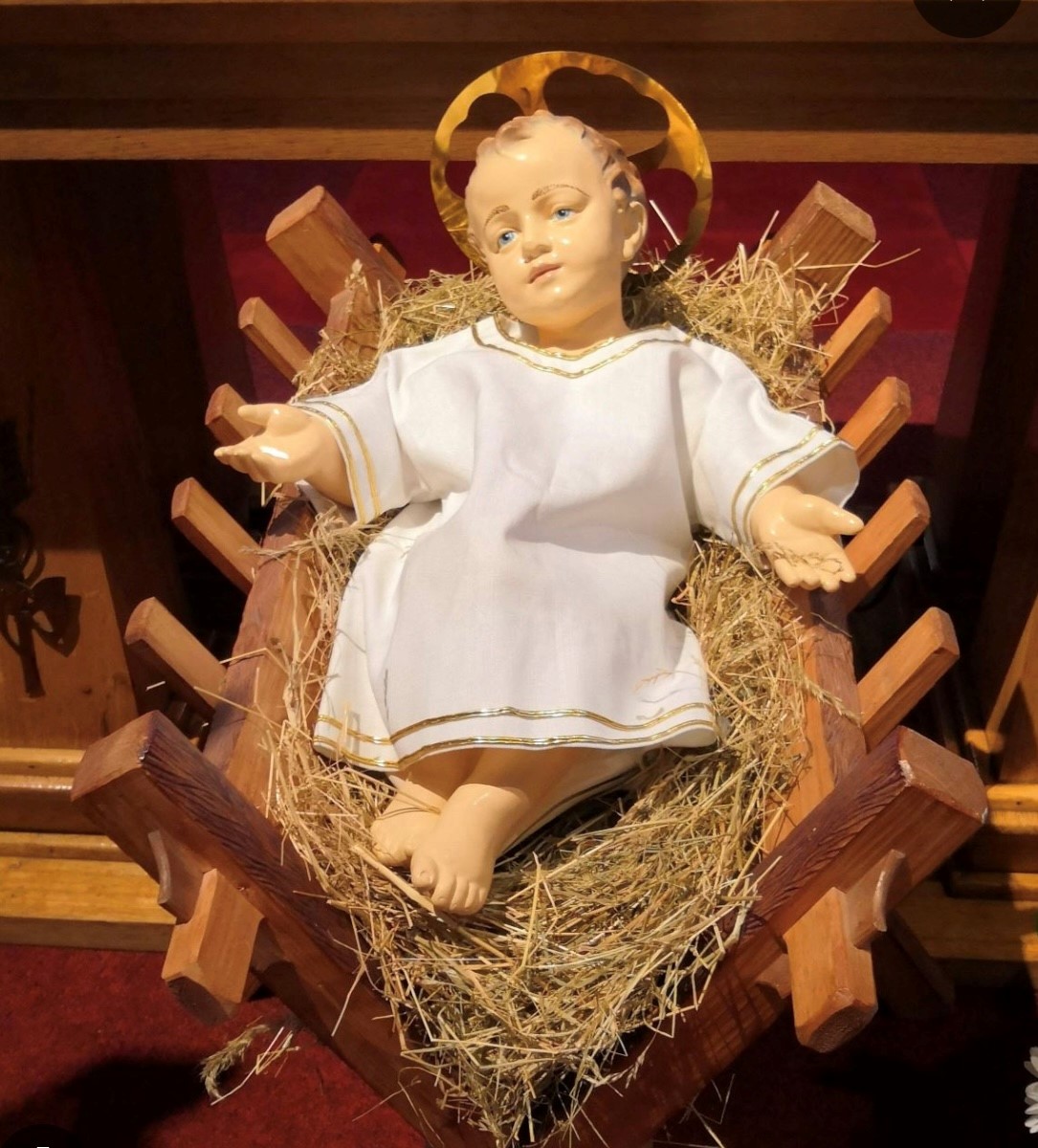
In Czech Republic, they don’t have a father Christmas or generally typical western view of this persona. Instead, the Czechs have Baby Jesus that brings gifts to kids. In Czech, they call him “Ježíšek,” which is a form of the name of Jesus but very small. It seems like people imagine Baby Jesus differently generation from generation. They always see him as a little baby, perhaps a gothic little angel, that would bring a lot of gifts in a bag. There are no big traditions around him. However, it is necessary to send him a letter where you would describe if you were good or bad and what you would like for your behavior. When baby Jesus comes with a gift, he typically has a bell and rings it so people could pick up the presents. But he must never be seen!
|
|
|
Julemanden - Denmark
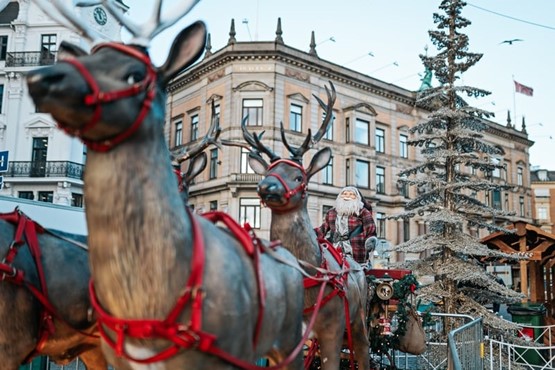
Of all the names of Santa Claus around the world, Denmark’s is quite unique. In Denmark, Santa is referred to as “Julemanden” (which translates to “The Yule Man”). He’s depicted as short, with a white beard, grey clothing, and red hat, similarly to a gnome. In Danish folklore, Nisse, also similar to gnomes, would bring all sorts of mischief, while the “Julenisse” would bring good fortune if treated well. Danish families typically leave rice pudding out for Julemanden around the holidays. Children who would like to write to Julemanden can send letters to his specific Danish address (on Reindeer road). Julemanden lives in Greenland and brings presents to Danish children (like American Santa or English Father Christmas) but on Christmas Eve. Traditionally, a Scandinavian Christmas is celebrated primarily on Christmas Eve. He also typically leaves garland of Danish flags on a family’s fir tree, already decorated with candles and stars, as a sign that he’s visited.
|
|
|
Father Christmas - England
“Father Christmas” is one of the Santa Claus names you’re probably most familiar with. A visit to Father Christmas in his grotto is an integral part of an English family’s Christmas celebrations. A grotto is a specially erected hut or room which is beautifully decorated and used by Father Christmas in the run-up to the big day. Grottoes appear throughout the country, in locations ranging from city center shopping centers to rural village Christmas Fairs. In Yorkshire, you can visit Father Christmas on farms, arriving by a tractor! Excited children are usually greeted by a special helper or elf and are then taken into the warm, cozy grotto to see Father Christmas who will confirm the child’s name and age. He will also ask children the all-important question – what present would they like for Christmas. After a friendly chat, Father Christmas or an elf gives the child a wrapped gift before it is time to leave the grotto. Father Christmas visits children in England on Christmas Eve when the children are asleep in bed. As a thank you for his gifts, English children leave Father Christmas a treat of a minced pie and sherry (or milk!) and carrots for his hard-working reindeer.
|
|
|
Weihnachtsmann – Germany
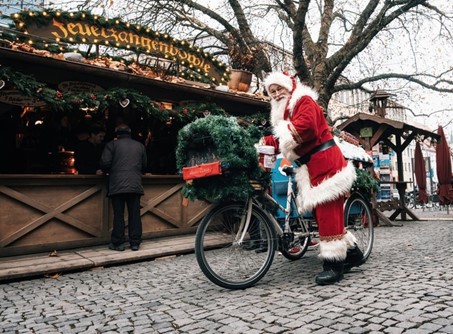
While Germany is mostly famous for its Christmas markets, the country also has a few other distinct ways of celebrating the Holiday Season – especially when it comes to receiving gifts. Here, children get a visit from the “Weihnachtsmann” (the name translates to “Christmas Man”). He is the German version of Santa Claus. The Weihnachtsmann comes on the evening of December 24th, when he’ll sneak into your house and leave presents underneath the Christmas tree. As he’s very silent, many children won’t even see him! By the time they finish dinner and run into the living room, the Weihnachtsmann has left. Fortunately, he’ll leave behind a pile of presents underneath the Christmas tree. And because German children write letters to the Weihnachtsmann during Advent season, he knows exactly what to bring. But the Weihnachtsmann doesn’t visit all German children. Some families will receive a visit from the Christkind instead, an angel-like figure who drops presents underneath the Christmas tree. She’s shy (so don’t try to look out for her or she won’t come).
|
|
|
|
Agios Vasilis - Greece
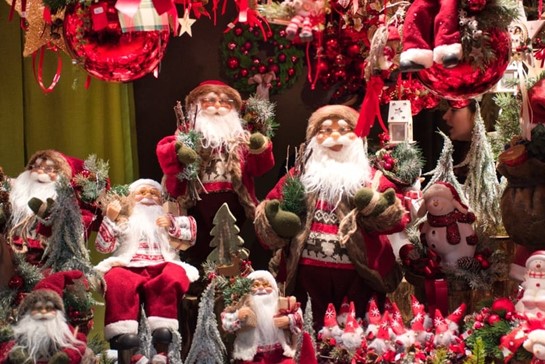
Christmas in Greece differs from other European countries because it’s an Orthodox country. Instead of Saint Nicholas, the Greek Santa Claus is actually “Agios Vasilis” (or Saint Basil). Saint Basil is believed to have died on January 1st which later became his holiday and one of the highlights of the Greek Christmas festivities. While Greeks have taken over some aspects of Western Christmas traditions, they have kept their own ones as well. The Christmas season in Greece actually lasts from Christmas to January 6th with many different events taking place. For example, people will celebrate Christmas on December 25th, and you can see the Western influence in the Christmas lights in Athens and other Greek cities. Traditionally, the day where children actually received gifts is Saint Basil’s Day. On this day, people buy a cake called “Vasilopita” (named after Saint Basil) which contains a coin. The person who gets the cake slice with the coin is said to have good luck in the new year.
|
|
|
|
Mikulás – Hungary
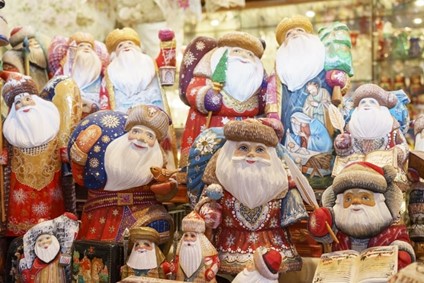
In Hungary, a well-known Santa Claus type figure called “Mikulás” (or St. Nicholas). Mikulás visits children across the country every 6th of December evening. This also happens to be the name-day of St. Miklós (St. Nicholas). Instead of stockings above the fireplace, children put their boots in the window. Mikulás will fill them up depending on whether they were good or not throughout the year. In older times good children were rewarded with a selection of sweets, seasonal fruits, and nuts. However, nowadays kids are more likely to get sweets and chocolate. One thing that they will find in their boot is a Mikulás-shaped chocolate. Naughty children only receive a “switch,” which resembles a small broom made with twigs, which means they will get punishment. Of course, no one is only good or bad, so children normally find both treats and a switch in their boot. On 6th December (Mikulás-day), Mikulas visits nurseries and schools (even universities) in person. Kids prepare songs and poems for his arrival. Mikulás is usually accompanied by two evil figures called “Krampusz” (kromm-puhs) who are there to scare misbehaved children.
|
|
|
|
Santa Claus - Philippines
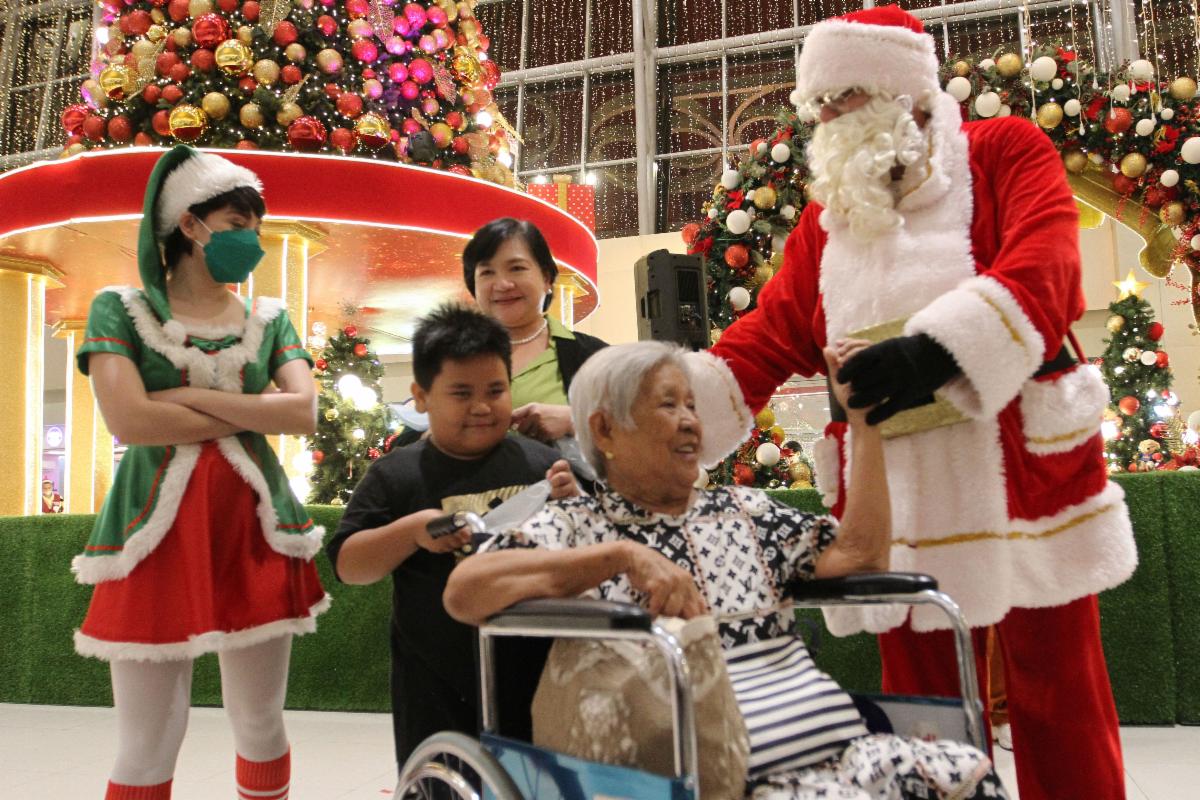
People in the Philippines love Christmas! And as the Asian country with the highest number of Christians (over 90 percent of the population), it is widely celebrated throughout the country. Due to strong Western influence in the Philippines (including US occupation a few decades ago), many of the traditions surrounding Christmas are of western or American origin. One of those traditions includes the legend of Santa Claus! In the Philippines, Santa Claus (known by the same name) usually appears as part of the commercial experience, commonly included in Christmas decorations in stores and malls. Many Filipino children believe in Santa Claus. However, he is more of a symbol than an integral part of the Christmas celebration and some of the other US-based Santa traditions aren’t followed. For example, he doesn’t always bring gifts. And due to cultural differences, there’s no tradition of milk and cookies or Santa coming down the chimney. But the tradition of Santa as a jolly man who spreads good cheer during the holidays is a fun and festive part of a modern Christmas experience in the Philippines!
|
|
|
|
Mikolaj – Poland
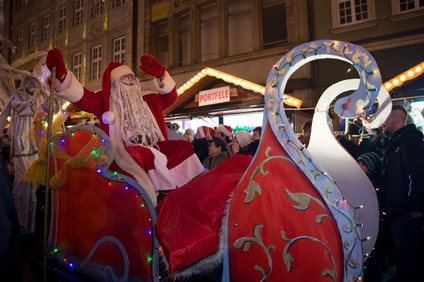
The Santa Claus tradition in Poland is a mixture of influences from the west and east. Santa Claus “Mikolaj” in polish comes to children on the 6th of December and leaves them chocolates and sweet treats in a Christmas stocking or comes to visit children in schools and kindergartens. The tradition of Mikolaj in Poland comes from St. Mikolaj (Nicolas). He was a bishop in Mira what’s now a region in Turkey. The legend says that Mikolaj was a very generous person always giving food parcels and offering help to the poor. It is believed that he died on the 6th of December which is now celebrated as Mikolajki and it is a different tradition to Baby Jesus that comes to children on Christmas Eve and leaves presents under the Christmas Tree.
|
|
|
|
Papa Noel - Spain
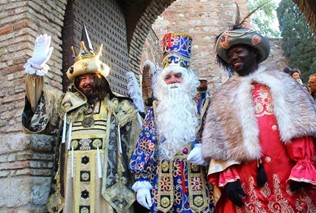
In Spain, Santa Claus is referred to as “Papa Noel.” But unlike other parts of the world, he is not the one that typically delivers presents to children the night before Christmas. If a child does receive a gift on Christmas morning from Santa, it is something small. This will vary by family, as some do choose to adopt the Western World tradition of Santa. But more typically, he isn’t the star of the Christmas show here. Instead, children in Spain wait anxiously for January 6 when the Three Kings (“Los Reyes Magos”) visit homes and adorn Christmas trees with presents. On the eve before Three Kings Day, large festivals and parades are held to welcome the kings. Sometimes they arrive on a float. Other times by boat. Or even by horse and carriage! The arrival is very special and widely celebrated. This night is the opportunity children have to give a hand-written note to their favorite king with their wish list inside. Once the parades begin, heaps of candy are tossed into the air for children to snag. Before bedtime, children leave their slippers outside their doors for the Three Kings to “fill” with more candy!
|
|
|
|
Santa Claus – United States
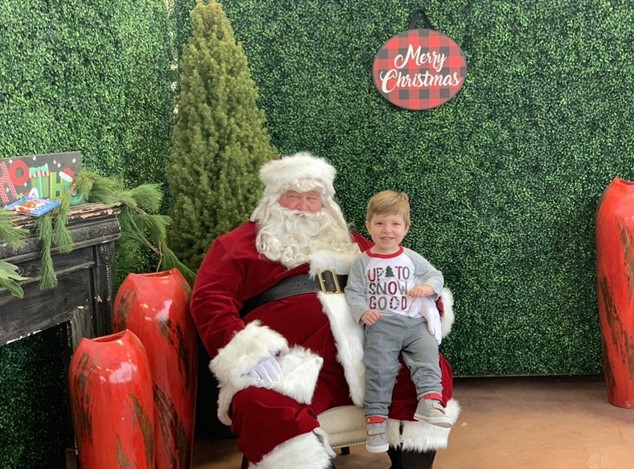
Last, but certainly not least, is the United States. Santa Claus is the United States version of England’s Father Christmas. He’s usually depicted as a jolly, white-bearded slightly overweight man dressed in red (next year Santa will take Ozempic). The Santa tradition in the USA is that kids visit Santa, sit on his lap, and tell Santa what they want for Christmas. Kids who are on the “nice list” are then rewarded with presents from Santa on Christmas morning. There are many unique opportunities to visit Santa in the US. The most traditional place to visit Santa tends to be at shopping malls. You can also find Santa at a number of venues during Christmas, including restaurants, zoos, museums, and traditional “North Pole” settings at Christmas markets. You’ve probably heard the world’s most famous gift-giver referred to by a few different nicknames here in America: Santa, Santa Claus, Kris Kringle, and St. Nick are all popular.
|
|
|
|
Merry Christmas and Happy New Year Everyone!!!!!!!!!
|
|
For further information, comments, and questions
Lloyd Segal
President
Los Angeles County Real Estate Investors Association, LLC
www.LARealEstateInvestors.com
This email address is being protected from spambots. You need JavaScript enabled to view it.
310-409-8310
|
|
|
|