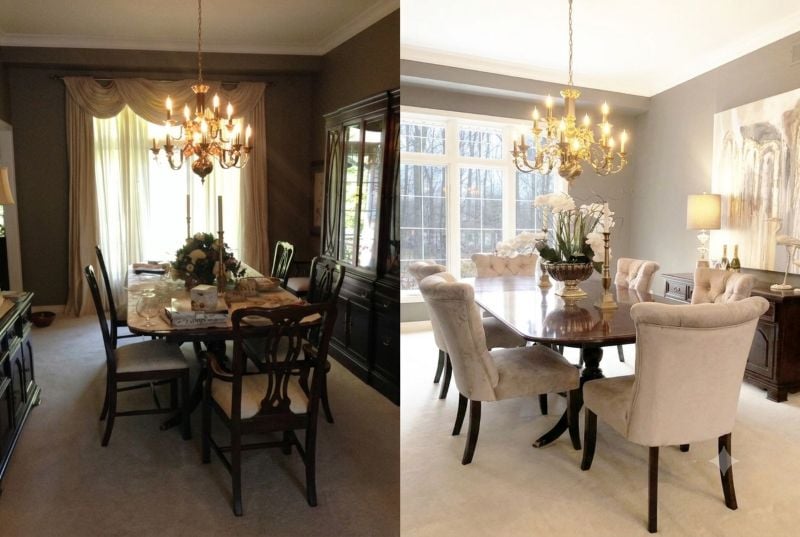
House flipping has gained popularity after the pandemic and spending $50,000 to make over $100,000 doesn’t sound like a bad deal. However, flipping homes requires cost consideration and a lot of hard work. Additionally, account for the purchase price, the sale costs, and the repair costs. Accurate cost estimation is one of the best ways of making the most of house flipping. This will allow you to turn a profit with every project. While it may not be possible to double the money with every project, you can make the most of your investment. About 10% of the purchase price is an ideal estimation of the cost of flipping a house. However, the actual cost varies.
The average cost of house flipping
The actual cost of flipping a house will depend on the type of property, the location, and the type of renovation. But, you can expect to spend about 10% of the home’s purchase price when you want to flip the property. When you buy a house for $200,000 and want to flip it for $400,000, you must allocate at least $20,000 toward flipping costs. It could vary, but this is a general rule of thumb. You must add the cost of finance and rehab to other related expenses. Here’s a handy list of the costs that go into house flipping.
Purchase cost
The purchase price of a property is the primary driver for flipping since it costs the highest. Keep this cost low and target lower-priced homes. Look into the areas where there are lower-priced homes or look for foreclosed houses. Remember, even if you decide to finance the purchase, you should make a down payment on the home. You should be ready to put down 20% as a down payment.
Closing cost
Closing costs remain a big part of flipping a house since you will finance the purchase. The costs will run between 3% to 6% of the purchase price, but you will have to account for it. The fees include title search, appraisal, attorney, and lender fees.
Taxes
Owning a home means paying the state and local taxes. You have to pay a certain percentage of the home’s value to the authorities. The taxes vary from one state to another, and it is advisable to have a fair idea of the percentage before you proceed.
Rehabilitation costs
House flipping will involve renovation and rehabilitation. There are several costs you will have to deal with:
Material: The experts at King Roofing, one of the top roofing companies in Naples FL state, "The repair will require specific materials, from the bricks to the countertop. It will become a part of the total cost of flipping. If you want to repair the roof, you should choose between asphalt composite shingles or membrane roofing which may cost more but will also last longer. Depending on your budget, you can decide the type of material you want to use." However, the roof is one of the most important parts of your home, so you do not want to compromise here.
Cosmetic material: Your budget will also be impacted by cosmetic materials. This includes the kitchen cabinets or cupboards that have wood veneer in place of a solid wood cupboard.
Labor costs: It is possible to do the work yourself and make a higher profit from flipping, but there are things you cannot DIY. This is why you may need to seek the help of a professional to handle jobs like plumbing or electric wiring. This will add to the cost of repairs and rehab but it is an unavoidable cost.
Carrying costs
All expenses to keep the property before selling are known as carrying costs. This includes taxes, mortgages, insurance, or utilities. You will have to incur the cost until your house is sold.
Selling costs
You will have to incur costs to sell your home. This will include real estate commissions at about 6% of the purchase price. If you want to sell the house for $200,000, deduct $12,000 from the profit and pay the agent who helped you with the deal.
The 70% rule
A basic ballpark figure when estimating flipping expenses is 10%. However, there is a 70% rule you can use to decide if a home is a good purchase. It will limit the expenses to 70% of your after-repair value minus the repair costs you incur. This will help you make significant money when you flip the house. Let us take an example here, say you want to make $500,000 after repairs, then your purchase cost and repair costs should not be higher than $350,000, which is 70% of the final sale value. Hence, if you are buying a home for $200,000, you can spend $150,000 on repairs and still make a profit when you sell it for $500,000.
Real estate is a smart investment if your sale is profitable. To make a profit when a house flips, you need to estimate the amount of money you will need, then complete the repairs and set a sale price. Alternatively, you can buy, repair, rent, and refinance the property instead of selling. No matter what you choose, you will have to calculate the cost of the process and then move ahead.
If you can make the cost estimate correctly, flipping houses can become a worthwhile investment and help you make money from real estate.