Busselton sits in one of the most pleasant pockets of Western Australia, but "pleasant" does not mean "predictable." Summer days along Geographe Bay regularly climb into the mid to high 30s, while winter nights can drop cold enough to make you reach for a heater. That swing is exactly why getting your cooling and heating setup right matters here, and why a growing number of homeowners are investing in reliable air conditioning Busselton solutions built for the local climate.
If you are weighing up your options, this guide walks through the systems that suit the region, what affects the price, and the coastal factors that many buyers overlook.
Why the Busselton climate shapes your choice
The South West has a Mediterranean climate: hot, dry summers and mild, wet winters. Two things follow from that.
First, you want a system that both cools and heats efficiently, because you will use it across most of the year. Second, you are living near the ocean, and salt-laden air is hard on outdoor equipment. A unit that would last comfortably inland can corrode faster on a coastal block if it is not specified and positioned with that in mind.
Keep both points in your head as you compare systems, because the cheapest option on paper is rarely the cheapest over ten years.
The main system types
Reverse cycle split systems
A split system is the most common starting point. One indoor unit paired with one outdoor compressor, running reverse cycle so it handles both cooling in summer and heating in winter. For a single room, a home office, or a smaller unit, this is usually the most cost effective route.
Expect to pay somewhere in the range of AUD 1,200 to AUD 3,500 supplied and installed for a quality single split system, depending on capacity and the complexity of the install.
Multi-split systems
If you want to condition a few rooms but a full ducted setup feels like overkill, a multi-split runs several indoor heads off one outdoor unit. It gives you room by room control without cutting into your ceiling space. This tends to land between the single split and full ducted price points, often in the AUD 5,000 to AUD 10,000 range across several rooms.
Ducted reverse cycle
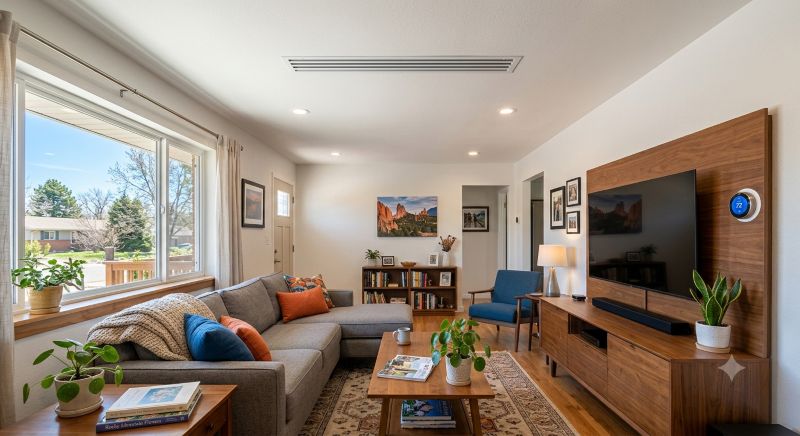
Ducted systems push conditioned air through the ceiling into every zone of the house via discreet vents. For whole home comfort, especially in newer or larger Busselton properties, this is the premium option. With zoning, you can cool the living areas during the day and switch to the bedrooms at night without paying to condition empty rooms.
A ducted install for an average family home commonly falls in the AUD 12,000 to AUD 20,000 range, and larger homes with more zones can sit above that. It is a bigger upfront figure, but the comfort and the resale appeal are significant.
Evaporative cooling
Evaporative cooling is cheaper to run and works well in dry heat, which the region does get. The catch is humidity. On the more humid days near the bay, evaporative units lose effectiveness, and they only cool, so you would still need a separate heating solution for winter. For many local homeowners, reverse cycle wins on year round versatility.
Sizing matters more than brand
An undersized system will run flat out and never quite get comfortable. An oversized one cycles on and off, wastes energy, and controls humidity poorly. Correct sizing depends on room dimensions, ceiling height, insulation, window orientation, and how much western sun your home cops in the afternoon.
As a rough guide, cooling capacity is measured in kilowatts, and a professional will calculate the load properly rather than guessing. Do not let anyone quote you a system without asking about your floor plan and your windows first. That is the clearest sign they are sizing it correctly.
The coastal factor most people forget
This is the point worth repeating. Salt air corrodes standard outdoor units over time, which shortens their life and can void aspects of a warranty if the unit was not rated for coastal conditions.
There are a few practical defences:
-
- Choose an outdoor unit with corrosion resistant coating designed for coastal or marine environments.
- Position the compressor away from the most direct sea breeze where the layout allows.
- Rinse the outdoor unit with fresh water periodically to wash off salt buildup.
Raising these questions with your installer up front tells you whether they actually understand the local environment.
Running costs and efficiency
Star ratings on the label translate directly into your power bill. A higher rated inverter system costs a little more to buy but draws less electricity, and over a Busselton summer that difference adds up.
Zoning is the other big lever. Being able to shut off cooling to unused rooms is one of the simplest ways to keep running costs down, particularly with ducted systems. If you pair an efficient unit with solar, your daytime cooling can become very cheap to run.
It is also worth checking current Western Australian energy rebates and any federal incentives before you buy, as these change from year to year and can shave a useful amount off the total.
Installation and maintenance
Air conditioning installation must be carried out by licensed and qualified technicians. Beyond the legal side, a proper install protects your warranty and ensures the system performs to spec. Poor ductwork or a badly placed outdoor unit can quietly cost you comfort and money for years.
Once installed, maintenance is straightforward but not optional. Clean or replace filters regularly, keep the outdoor unit clear of leaves and debris, and book a professional service roughly once a year. Regular servicing catches small problems early, keeps efficiency up, and extends the life of the equipment.
Making the decision
For most Busselton households, a reverse cycle system is the sensible core choice because it covers both the hot summers and the cool winters. From there, the split versus multi-split versus ducted question comes down to how much of the home you want to condition and your budget.
Whatever you choose, prioritise correct sizing, coastal grade equipment, and a licensed installer who asks the right questions about your home. Get those three things right and you will have a system that keeps you comfortable through every season on the Bay for years to come.