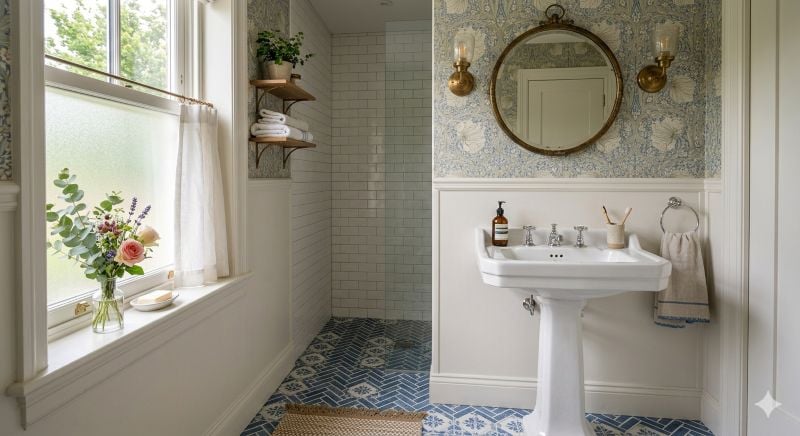
Bathrooms tend to get renovated for aesthetic reasons. New tiles, a frameless shower screen, a freestanding bath that photographs well. All of that is fine, but it doesn't address something more fundamental: the bathroom is one of the spaces in your home where your body is most exposed. Skin absorbing steam, lungs breathing in whatever is off-gassing from products and surfaces, the water you're showering in hitting your body every single day. A healthier bathroom doesn't require ripping tiles off walls. It requires paying attention to a different set of things.
Most of the changes that genuinely improve bathroom health are not structural. They're product choices, habits, and a few targeted upgrades that don't need a trade or a permit. The difference they make accumulates quietly, which is partly why people underestimate them.
Start With What's Actually In the Room
The first honest step is looking at what's currently living in your bathroom and asking what it's contributing. Conventional cleaning products, heavily fragranced sprays, antibacterial everything. Most bathroom cleaning products contain a cocktail of chemicals that linger in the air long after you've finished wiping surfaces down. In a small, often poorly ventilated room, that's not a trivial exposure.
Switching to cleaning products with simpler, clearly listed ingredients is one of the lowest-effort changes with an immediate impact on air quality. Bicarb soda, white vinegar, and a good castile soap handle most bathroom cleaning jobs without the residual chemical haze. Similarly, personal care products with long synthetic fragrance ingredient lists are worth scrutinising. Fragrance is one of the most common sources of skin irritation and it tends to be caught under a single word on an ingredients list that can represent dozens of individual compounds.
Ventilation matters too and is often overlooked. If your bathroom has an exhaust fan, actually use it, during showers and for at least ten minutes afterward. Moisture and mould are significant contributors to poor indoor air quality, and a consistently damp bathroom is a slow health problem.
The Water You're Showering In
This is the piece that catches most people off guard. There's a reasonable amount of attention paid to drinking water quality but shower water tends to get a free pass, perhaps because you're not swallowing it. The reality is that the skin absorbs compounds from water during a shower, and hot water opens pores and increases that absorption. Chlorine, which is standard in treated municipal water, is a skin and respiratory irritant. It strips the skin's natural oils, contributes to dryness, and the steam from a hot chlorinated shower means you're inhaling it as well as absorbing it through skin.
A zazen water shower filter addresses this directly. It attaches to your existing shower fitting without any plumbing work and filters out chlorine, heavy metals, and other compounds before the water hits your skin. The difference people notice is often immediate: less skin dryness, hair that feels different after washing, and a shower environment that doesn't carry that faint chemical smell that most people have just accepted as normal. For something that requires no renovation and installs in minutes, it changes the baseline quality of what is likely your most frequent daily health exposure.
Reducing Toxin Load Through Smarter Choices
Beyond cleaning products and water quality, the materials and objects in your bathroom contribute to its overall health profile in ways that are worth thinking about. Plastic storage containers and accessories, particularly older ones, can leach compounds over time especially in a warm humid environment. Replacing them with glass, ceramic, or stainless steel alternatives where practical is a simple shift.
Mould is a recurring bathroom issue and the conventional response is a bleach spray that deals with the visible surface while doing little about the moisture conditions that caused it. Addressing the root cause, whether that's improving ventilation, fixing a slow drip, or resealing grout that has deteriorated, is more effective long-term than repeatedly treating the symptom.
Natural fibres for towels and bath mats are worth considering too. Conventional cotton is one of the most heavily treated crops and the residual processing chemicals can persist through many washes. Organic cotton or bamboo alternatives are increasingly accessible and they actually perform better over time in terms of softness and absorbency.
Making It a Space That Supports Recovery
The bathroom should be a room where you leave feeling better than when you walked in, not just cleaner. Small additions that support that function are worth considering. A good quality diffuser with a genuinely therapeutic essential oil rather than a synthetic fragrance spray. Proper lighting that doesn't make you feel like you're in a hospital corridor. A few plants that tolerate humidity and actively improve air quality.
None of this requires a renovation budget. It requires a different way of looking at the room and the cumulative decisions that shape what it does for your health every day.