As you prepare to showcase your home to potential buyers during home selling, it’s important to prioritize safety alongside aesthetics. While open houses and private showings are essential steps in the selling process, they also involve inviting strangers into your private property.
Statistics from the National Association of Realtors show that 41% of real estate agents reported feeling unsafe during house showings. This reality underscores the importance of practicing robust safety measures to protect yourself, your family, and your belongings during this time. (1)
Read on as this article enumerates some key safety tips you can adopt to safeguard your property during the home-selling journey.
1. Designate a Safe Path Through Your Home
Most homeowners preoccupy themselves with enhancing their gardens and yards before showings in an effort to blow away potential buyers. But besides focusing on aesthetics, designating a clear path for visitors to follow during open houses and showings is crucial for both security and safety. This strategy helps prevent people from wandering into areas where you might have overlooked securing while also reducing the risk of a property accident such as slips and falls.
Clear walkways and stairs of any clutter or obstacles, and ensure all areas are well-lit. Use signs, ribbons, or temporary barriers to clearly indicate off-limits areas, such as unfinished spaces or rooms with valuable items. If you have features like sunken living rooms, unusual step configurations, or low-ceiling areas, make sure these are clearly visible and marked, too.
Lastly, secure or remove loose rugs, fix any uneven pavement outside, and consider temporary modifications like adding non-slip treads to stairs. A safe and clearly defined path can help protect your belongings and ensure the well-being of potential buyers.
2. Remove Valuable Items
You’d be surprised how many people leave out important documents or valuable items during home showings. So, remove or securely store anything that could be easily pocketed or misused. This includes:
• Jewelry and cash
• Credit cards and checkbooks
• Passports and other identification documents
• Bills and financial statements
• Family heirlooms and collectibles
But don’t forget about less obvious sources of personal information, like prescription drugs, medication bottles, or mail. These items can reveal sensitive details about you and your family that you don’t want strangers to know.
3. Remove Personal Mementos
While this tip is often given for home staging purposes, it also serves a safety function. Removing personal photos and mementos not only helps prospective buyers envision themselves in the space but also protects your family’s privacy. You don’t want strangers to know what your children look like or where they go to school.
4. Implement Smart Home Security Measures
Technology can be your powerful ally in keeping your home safe during showings. So, consider installing security cameras to deter potential thieves and provide evidence if anything goes missing after the showing. Statistics show that homes without security cameras are 300% more likely to be burglarized. However, make sure to inform your real estate agent about the cameras, as they may need to disclose this information to potential buyers. (2)
Smart locks and motion-activated lights are also valuable additions to your home security setup. Smart locks allow you to control and monitor access to your home remotely, providing temporary codes for showings and tracking who enters and exits your property. Meanwhile, motion-activated lights can startle potential intruders and improve visibility around your property at night. As an added bonus, these energy-saving features might appeal to potential buyers.
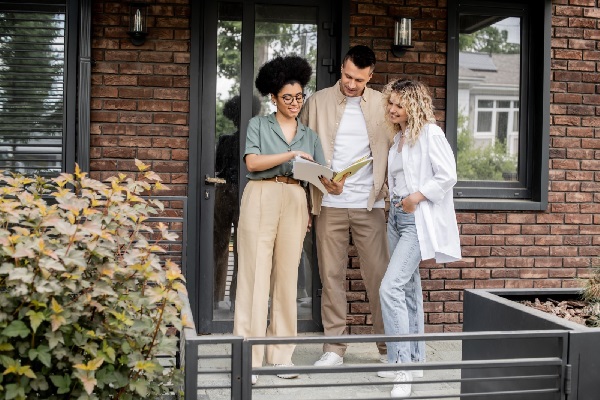
5. Work With a Trusted Real Estate Agent
Your real estate agent should be your partner in maintaining safety during open houses. So, make sure they:
• Have a sign-in sheet for all visitors
• Check IDs of prospective buyers
• Limit the number of people in the house at one time
• Keep an eye on visitors and don’t leave them unattended
A trusted real estate agent who prioritizes these safety protocols can significantly reduce security risks and host a successful open house.
6. Only Schedule Showings During Daytime
Whenever possible, schedule showings during daylight hours. This makes it easier to see what’s happening around your property and can help deter potential criminals. If evening showings are necessary, make sure all exterior lights are on and consider having a friend or family member present.
7. Protect Your Online Presence
Unsurprisingly, 85% of realtors use social media to advertise and promote open houses. They either use professional photography or 3D virtual tours for their open house listings. Thus, it’s not just your physical home that you need to protect but also your online presence. If not careful, your open house listing might reveal sensitive information to both potential buyers and criminals. (3)
When listing your property online, exercise caution with the photos you or your agent share. Avoid showcasing valuable items or personal information, and carefully inspect each image to ensure that computer screens, calendars, or other sources of sensitive data aren’t visible.
Apart from that, collaborate closely with your real estate agent to ensure that sensitive details such as your full name, phone number, email address, or reasons for selling are not publicly disclosed. Instead, direct interested parties to contact your agent for further information.
Parting Thoughts
Creating a safe home for showings is a crucial part of the selling process. With these safety tips, you can now create a secure environment for showings while still effectively marketing your home to potential buyers.
References:
- “2021 Member Safety Report”, Source: https://www.nar.realtor/sites/default/files/documents/2021-member-safety-report-01-09-14-2021.pdf
“Surprising Home Burglary Facts And Stats”, Source: https://www.forbes.com/home-improvement/home-security/home-invasion-statistics/
“Insights into the Impact of Open Houses on Real Estate”, Source: https://gitnux.org/open-house-statistics/