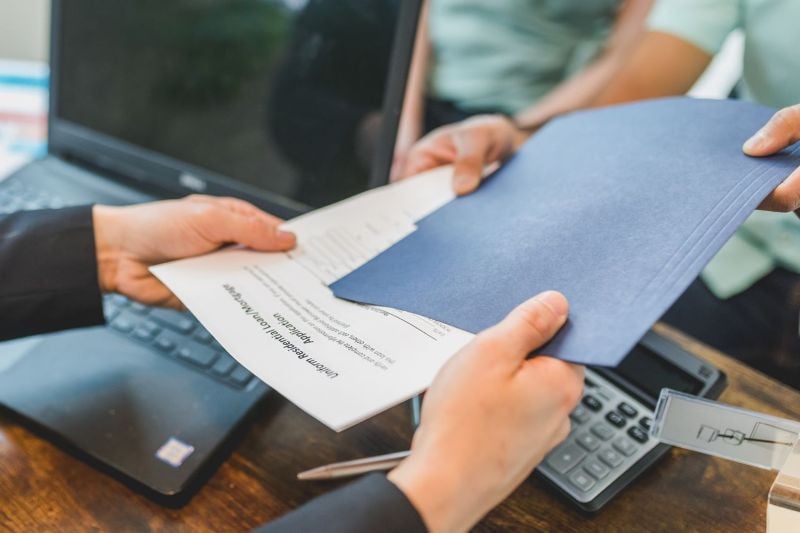
Selling a house for the first time feels like learning a new language overnight. One word shows up in almost every conversation with your agent, title company, and buyer: escrow. It sounds official and maybe a little scary, yet once you know what it does, the process gets a lot less confusing. This guide breaks down escrow in plain terms so you walk into closing day feeling ready instead of rattled.
1. What Escrow Means For You
Escrow is simply a neutral holding spot for money and paperwork while a home sale moves toward closing. A third party, usually a title company or an escrow agent, holds the buyer's deposit and the key documents until every condition of the sale is met, and nobody gets paid until all the boxes are checked.
For a seller, this setup protects you just as much as it protects the buyer, since you know the buyer's earnest money is sitting safely with a neutral party rather than resting on a handshake promise. If the deal falls apart for a reason that favors you, that deposit can end up in your pocket instead of walking away with the buyer.
2. Who Handles Your Money During The Deal
The escrow agent or officer is the referee of the transaction. They collect funds, order the title search, prepare closing documents, and make sure taxes and fees get paid correctly at the table, and choosing someone experienced matters because a sloppy escrow process can quietly stall your closing date.
Local real estate teams often step in early to guide sellers toward a trustworthy escrow partner, and working with a company like Plot Property Group can make this stage far less stressful since they already have relationships with title officers who move fast and communicate clearly.
Ask your agent who typically handles escrow in your area before you sign anything. Some states use attorneys for this role, others rely on title companies, and knowing which applies to your sale saves you from surprises later on down the road.
3. Documents You'll Sign Before Closing
Expect a stack of paperwork once escrow opens. The purchase agreement, a preliminary title report, disclosure forms, and eventually the closing statement all spell out different pieces of the deal.
Read each one instead of skimming, since your signature confirms you accept the terms listed inside. Keep digital and paper copies of everything you sign, because you will likely need them again during tax season or if a dispute pops up months down the road.
Sellers sometimes assume their agent reviews every page on their behalf, yet the responsibility to understand what you are signing rests with you alone. A quick call to your escrow officer clears up confusing language faster than guessing on your own.
4. Common Delays And How To Dodge Them
Escrow timelines slip more often than sellers expect, and most delays trace back to a handful of repeat offenders. A lender dragging its feet on the buyer's loan approval is the most frequent culprit, followed closely by title issues nobody caught until the search came back.
Unresolved liens, unpaid HOA dues, or a name misspelled on an old deed can freeze a closing for days or weeks. Clearing these problems before you list your home, rather than during escrow, keeps your timeline intact.
Home inspection surprises also slow things down. A cracked foundation or an aging roof discovered mid-escrow often sends buyers back to the negotiating table, which can add another week or more while both sides settle on repairs or credits.
Missing signatures round out the list. Notary appointments, overnight document delivery, and busy schedules all add friction, so block out time on your calendar the moment closing gets scheduled.
5. Costs Hiding Inside Escrow
Escrow fees are typically split between buyer and seller, though local custom varies quite a bit.
Sellers usually cover a portion of the title insurance premium.
Prorated property taxes owed up to closing day also come out of your side of the ledger.
Sometimes a share of the escrow company's service fee lands on the seller, too.
Recording fees, transfer taxes, and payoff amounts for your existing mortgage round out the list, so ask for a preliminary settlement statement early enough that none of these numbers catch you off guard when the final one arrives. If you've recently completed bathroom remodels, keep the related invoices and permits as part of your records, since they may be helpful during the selling process and when discussing your home's value with buyers.
6. Timeline From Open To Close
Most residential escrows run somewhere between thirty and forty-five days.
Cash sales can close in a couple of weeks when everyone moves quickly.
The clock starts the moment your signed purchase agreement lands with the escrow officer and the buyer's deposit gets recorded.
Inspections and appraisals typically happen within the first two weeks.
Loan underwriting for financed buyers follows soon after, taking up much of the middle stretch of the timeline.
The final days center on document signing, wiring instructions, and confirming that every contingency has been cleared, and once funds are recorded with the county, ownership officially transfers, and the keys change hands.
|
Selling your first home does not require becoming a real estate expert overnight. Escrow exists to protect everyone at the table, and once you understand who does what and when, the whole process feels a lot less like a mystery. Keep your paperwork organized, respond quickly to requests from your escrow officer, ask questions the moment something feels unclear, and closing day will arrive right on schedule with far fewer surprises along the way. |
FAQ
Q1: What is escrow and why is it important for sellers?
Answer: Escrow is a neutral holding spot for money and paperwork during a home sale.It ensures that the buyer's deposit and key documents are secure with a third party, usually an escrow agent or title company, until all conditions of the sale are met.This protects both the seller and the buyer, providing peace of mind throughout the transaction.
Q2: Who is responsible for handling the escrow process?
Answer: The escrow agent or officer manages the escrow process.They collect funds, order title searches, prepare closing documents, and ensure that taxes and fees are paid correctly.It's crucial to choose an experienced escrow agent to avoid delays in your closing date.
Q3: What documents will I need to sign during escrow?
Answer: You'll be signing several documents, including the purchase agreement, a preliminary title report, disclosure forms, and the closing statement.It's important to read each document carefully and keep both digital and paper copies for future reference, as you’re responsible for understanding what you are signing.
Q4: What are common delays in the escrow process and how can I avoid them?
Answer: Common delays in escrow often stem from slow lender approvals, title issues, home inspection surprises, or missing signatures.To avoid these issues, address potential title problems before listing your home, stay proactive during inspections, and ensure all necessary signatures are obtained promptly.