Quick Answer
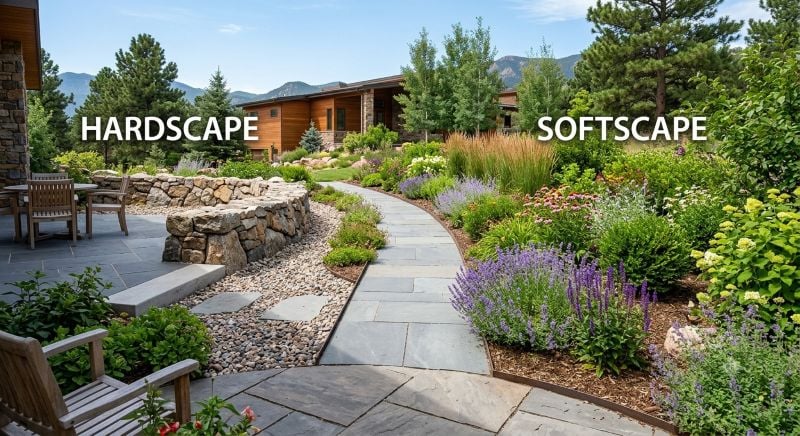
Hardscaping covers the solid, built parts of your yard — patios, walkways, walls, and driveways. Softscaping covers the living parts — grass, trees, shrubs, and flowers. A great outdoor space needs both. Hardscape gives you structure and function, while softscape adds colour and life. The right mix depends on your property, your budget, and how you actually want to use the area.
Introduction
Picture two backyards on the same street. One is all concrete and stone — tidy, but cold and a little lifeless. The other is bursting with plants but has nowhere dry to sit. Neither feels quite right, and the reason is the same in both cases: no balance.
Getting that balance is the real skill behind a yard you'll want to spend time in. It separates a space that looks thrown together from one that feels designed. Plenty of homeowners lean too far one way without noticing, and the result shows. A reputable hardscaping company can help you map out the structural side, but understanding the basics yourself puts you in a far stronger position before any work begins.
This guide breaks down what each term means, how the two work together, and how to plan a yard that stays practical and good-looking through every season. Start with what sets them apart.
Hardscape vs. Softscape: The Two Sides of Landscape Design
Every outdoor space is built from two material types working side by side. One gives you bones; the other gives you beauty. Knowing which is which helps you make smarter choices about where your money and effort should go.
Built Features That Give Your Yard Structure
Hardscape refers to the permanent, non-living features that shape how a yard functions. These are the surfaces you walk on, the structures that hold back soil, and the spots where you gather. Common examples include:
-
- Patios and decks — defined areas for dining, lounging, or entertaining
- Walkways and driveways — safe, durable paths that guide foot and vehicle traffic
- Fire pits and outdoor kitchens — features that stretch how long you can enjoy the space
- Water features — fountains or ponds that add a calm, sensory touch
Materials matter here. Quality paving stones stand up to heavy use and shifting weather far better than poured concrete, and they're easier to repair if a section ever lifts or cracks.
Living Elements That Bring a Garden to Life
Softscape is everything alive in your design — the part that shifts with the seasons and keeps a yard from feeling static. It covers lawns, flower beds, trees, shrubs, ornamental grasses, and the soil and mulch that keep them healthy. These features bring shade, privacy, scent, and changing colour through the year. The trade-off is care: watering, pruning, and feeding never really stop.
How the Two Compare at a Glance
The two categories serve very different roles, and seeing them side by side makes the trade-offs clear:
|
Factor |
Hardscape |
Softscape |
|
Lifespan |
Decades with little change |
Grows and shifts each season |
|
Upkeep |
Low — occasional cleaning or repair |
High — regular watering and trimming |
|
Upfront cost |
Higher (materials and labour) |
Lower to start, ongoing over time |
|
Main role |
Structure and function |
Colour, texture, and life |
|
Flexibility |
Fixed once installed |
Easy to adjust or replant |
A well-built structure can also solve real problems. Sloped lots often need retaining walls to hold soil in place, stop erosion, and carve out usable flat ground where there was none before. That mix of purpose and good looks is what strong design is really about.
Understanding the pieces is only half the job. The next step is fitting them together in the right proportion.
How to Balance Your Outdoor Space the Right Way
Knowing the parts is one thing. Deciding how much of each to use is where people tend to get stuck. There's no fixed formula, but a few guiding ideas make the planning far less daunting.
Start With How You'll Use the Yard
Before choosing a single plant or paver, think about daily life in the yard. A family with young kids or pets usually wants more open lawn for play. A couple who love to host may prefer a larger patio with seating and a fire feature. Your habits should drive the layout, not the other way around. Ask yourself:
-
- Who will use this space most, and for what?
- Do you want low upkeep, or do you enjoy gardening?
- Which areas need shade, privacy, or screening from neighbours?
Aim for a Working Ratio
A common starting point among designers is roughly a two-thirds to one-third split, leaning toward whichever side suits your lifestyle. Too much hard surface, and a yard feels rigid and runs hot in summer. Too much greenery and it can look overgrown and turn into a chore. What you're after is contrast. Soft plants take the edge off hard lines, and solid surfaces give those plants a clean backdrop to sit against.
Plan for the Canadian Climate
Our weather demands extra thought. Freeze-thaw cycles can heave a poorly laid surface, so proper base preparation and drainage are essential. Hardy, region-appropriate plants survive cold winters with less fuss, and good grading keeps meltwater flowing away from your foundation. Skilled softscaping services account for soil type and frost depth, so your planting choices thrive instead of struggling through the first hard winter.
Layer for Depth and Interest
Strong designs are built in layers. Pair tall trees with low ground cover, set bold blooms against neutral stone, and repeat shapes or colours to tie everything together. Small touches like these turn a scattered set of features into a yard that hangs together.
With a plan in hand, the last piece is knowing when to bring in a professional.
Building a Yard That Works in Every Season
A yard you love isn't about choosing a hardscape or softscape. It's about getting the two to pull in the same direction. Solid surfaces keep the space usable in every season, while plants bring the warmth and colour that make it feel like home. Lean too far either way, and something always feels off.
The good news is that balance is learnable. Start with how you want to live in the space, plan for our climate, and build in layers that suit one another. Once a project involves grading, drainage, or heavy materials, a seasoned pro like Tazscapes can save you from costly mistakes and pull the whole vision together. Plan it well now, and your outdoor space will pay you back for years.