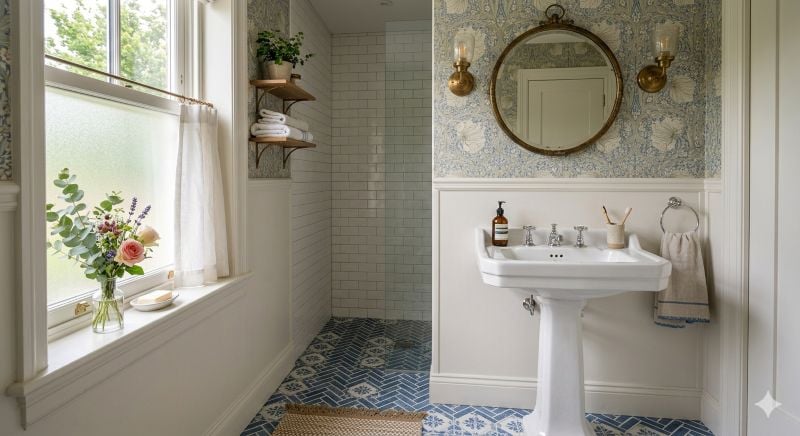
A room often tells people how to feel before anyone studies the furniture. Wall color, surface finish, trim contrast, and light behavior all affect that first response. Paint can make a narrow hall feel calmer, a bedroom feel softer, or a family room feel more settled. With careful planning, interior painting changes visual comfort, daily function, and the way each space supports our routines.
Initial Steps to Take
Color choice should begin with light, flooring, and fixed features. Older plaster, shaded windows, and nearby brick can quickly shift undertones. Many homeowners compare samples before choosing interior painting services in St. Louis because regional light can make white feel gray, beige read yellow, or blue appear cooler than expected inside a lived-in room.
Light Can Make Colors Appear Differently
Paint never stays visually still during the day. Morning light can sharpen cream, while late afternoon shade may flatten gray or green. A sample that looks balanced near one window might feel heavy across the room. Skilled painters check several walls because each plane receives light, shadow, and reflection differently.
Finish Affects Visual Texture
Sheen affects how the eye reads a surface. Flat paint softens uneven drywall. Eggshell gives living areas a gentle finish that cleans more easily. Satin can support kitchens, baths, and busy entries. Gloss on trim adds definition, especially around doors, casings, and built-ins that deserve a crisp edge.
Wall Prep Shapes the Result
Preparation is what gives a finished room its quiet quality. Small dents, ridges, open seams, and nail holes catch light after coating. Sanding, patching, caulking, and priming reduce those distractions before color goes on. Clean prep helps walls look even, steady, and intentional, rather than freshly covered and still visually rough.
Trims Define the Room
Trim controls how walls meet the architecture. Bright white casing can sharpen a doorway and make color appear cleaner. A softer trim shade lowers contrast, which may suit bedrooms or older homes. Baseboards, crown molding, and window frames often become more graceful once paint restores their edges and proportions.
Ceilings Change Proportion
Ceilings influence height, brightness, and comfort. A clean white ceiling can reflect light back into compact rooms. A tinted ceiling may make a dining room, study, or bedroom feel more enclosed in a pleasant way. Even a basic refresh can remove yellowing, stains, and dull patches that darken the entire area.
Accent Walls Enhance Rooms
An accent wall should serve the room, not compete with it. A deeper color behind a bed can settle the eye. Richer tones in dining spaces can create a sense of focus without crowding the layout. The best choices usually respond to architecture, furniture placement, and daylight instead of following a short-lived trend.
Flow Connects Spaces
A thoughtful color scheme helps connected rooms feel related. Hallways, kitchens, stairs, and living areas work better when colors share compatible undertones. Small shifts can still give each room its own character. This creates visual rhythm, so the home feels organized without every space looking exactly the same.
Paint Supports Daily Use
Every room asks for something different from paint. Entries need durable finishes that tolerate scuffs. Kitchens and baths benefit from washable surfaces that handle moisture and frequent cleaning. Bedrooms often feel better with a lower sheen and quieter color. Family rooms, offices, and play areas need coatings that balance comfort, ease of maintenance, and durability.
Professional Work Reduces Disruption
Interior painting affects furniture, flooring, ventilation, and daily schedules. Experienced crews plan room order, protect surfaces, and maintain accurate edges. Good communication also reduces confusion about drying times, access, and touch-ups. A well-managed project helps the household return to normal sooner, with rooms that feel cleaner, brighter, and more composed.
Conclusion
Interior paint impacts far more than the visible colors. It adjusts light, scale, texture, contrast, and the emotional tone of everyday spaces. The right plan can make a dated room feel current, a dim corner feel open, or plain walls feel complete. With sound color selection, careful preparation, and steady application, painting can renew familiar rooms without changing the floor plan.