A build begins with decisions made before the first delivery truck arrives. Lumber grade, moisture level, storage conditions, lead time, and order accuracy all affect cost and workmanship. A dependable yard gives buyers practical guidance, visible stock quality, and steady communication. Contractors, remodelers, and homeowners benefit most when every board, panel, fastener, and special item supports the schedule instead of creating avoidable pressure later.
Check Product Range
A project rarely needs a single category. Framing stock, sheathing, treated boards, trim, doors, windows, insulation, hardware, and decking often move through the same schedule. Before choosing a lumber yard near you, buyers should confirm that everyday materials, specialty items, and ordering assistance are available. Fewer supply gaps mean fewer interruptions.
Review Material Quality
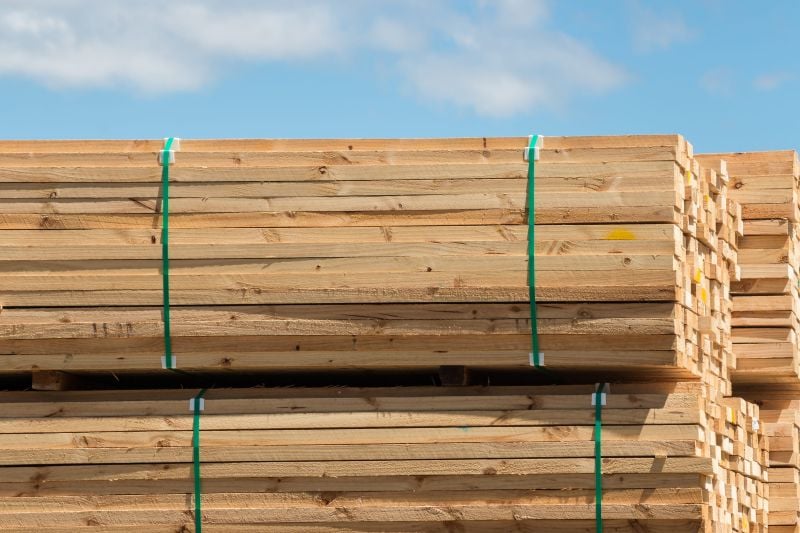
Good lumber should be straight, dry, clean, and correctly graded. Buyers need to look for twists, bowing, splits, mold staining, crushed corners, and rough milling. Structural pieces also need grade stamps that match the plan. Species choice matters because strength, shrinkage, treatment, and finish behavior vary. Staff should explain where each option belongs, from framing walls to exposed trim.
Compare Stock Depth
While buying, ask which products are kept in stock every day and how often trucks replenish inventory. Studs, joists, panels, fasteners, and exterior boards can stall crews when stock runs thin. For larger builds, reserved quantities or phased orders help keep work moving without rushed substitutions.
Ask About Estimating
A careful takeoff can protect both budget and schedule. The yard should review plans, measure quantities, and identify missing connectors, panels, or trim pieces before issuing purchase orders. This support reduces waste and prevents small shortages that create return trips. Clear lists also help builders compare bids, assign phases, and prepare crews for each delivery.
Confirm Delivery Options
Delivery quality matters as much as product selection. Buyers should ask about truck access, unloading methods, service radius, and drop placement. Narrow streets, soft soil, low wires, and tight gates can quickly change the plan. A useful delivery ticket should match the order exactly. Reliable timing keeps labor focused on building rather than searching for missing materials.
Study Billing Practices
Clean billing prevents confusion after the job is underway. Itemized invoices, purchase order tracking, visible delivery charges, and clear return rules all matter. Contractors should know how corrections are handled and how account terms are applied. Accurate paperwork helps managers compare estimated costs with actual spending and gives homeowners a clearer view of where their money went.
Evaluate Staff Knowledge
Experienced staff can catch problems before they reach the site. They may notice a door-swing conflict, a fastener mismatch, a treatment issue, or a trim-profile gap. Their guidance does not replace code review, engineering, or design approval. Still, informed counter help gives buyers better questions and fewer surprises, especially with engineered wood, exterior exposure, and finish materials.
Look at the Service History
The number of years in business can suggest stable vendor relationships, familiar crews, and practical knowledge of local building habits. Buyers should still judge current performance first. Recent delivery accuracy, stock condition, staff response, and billing discipline carry more weight than age alone. A dependable yard proves itself through daily habits, especially during busy seasons or tight project windows.
Visit the Location
A site visit shows how carefully materials are handled. Buyers can inspect covered storage, bundle condition, rack labels, sample displays, and general organization. Straight aisles and clear bins usually point to fewer picking errors. Seeing the yard also helps future phone orders become more accurate. A short walkthrough can reveal whether the operation fits the build’s pace.
Plan for Special Orders
Special orders need early attention. Custom doors, uncommon molding profiles, premium windows, engineered beams, and finish-grade products may carry longer lead times. Buyers should request written confirmations for sizes, deposits, return limits, and estimated arrival dates. Approval steps must be clear before fabrication begins. Early ordering protects framing, exterior closure, and interior work from preventable schedule gaps.
Match the Yard to Project
The best fit depends on project size and risk. A small repair may need quick pickup and helpful counter service. A full home may require estimating, staged delivery, account support, and deeper inventory. Commercial work often demands tighter documentation and scheduling. Buyers should match the yard’s strengths to the job instead of choosing by distance alone.
Conclusion
A local lumber yard should make material planning calmer, clearer, and more precise. Buyers who examine stock quality, delivery practices, estimating support, billing, staff knowledge, and special-order systems make stronger choices. Good questions protect our budgets, reduce waste, and help crews work without unnecessary delays. With careful inspection and steady communication, each phase can move forward with the right materials in place.