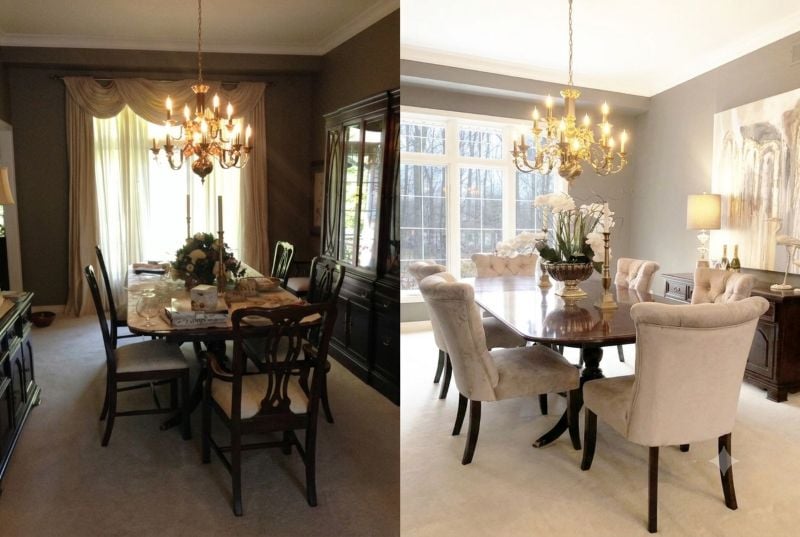
When a parent dies and leaves you their house, the property is rarely the only thing you inherit. You inherit the contents too: the furniture, the boxes in the attic, the coffee can of old coins on the workbench, and the jewelry box nobody has opened in years. A 2024 Caring.com survey found that fewer than a third of American adults have a will, which means a lot of estates pass to heirs with no instructions about what any of it is worth.
That gap matters more than most people realize. The house itself usually gets professional attention, an agent, an inspector, a title company. The stuff inside often gets a dumpster and an estate sale. Somewhere in that rush, real money walks out the door.
Clear the house, but slow down on the valuables
Before you list, you have to empty the place. That part is unavoidable. The mistake is treating everything inside as junk to be cleared at the same speed. Estate liquidators and dumpster rentals move fast, and once a box is gone, it's gone.
Set aside anything that could carry value beyond its everyday use. Coins, old paper currency, sterling flatware, class rings, broken gold chains, military medals, pocket watches. These items are small, easy to overlook, and frequently worth far more than their owner ever mentioned. People who deal in this material every day, like these Dallas-area gold and coin buyers, point out that the pieces heirs almost discard are often the ones with real melt or collectible value. A drawer of “costume” jewelry can hide a few 14K pieces. A jar of pennies can hold a 1909-S VDB worth hundreds.
You don't need to become an expert overnight. You just need to stop treating the contents as a single category. Sort first, decide later.
Know what a karat stamp actually tells you
Gold jewelry carries a small mark that tells you its purity: 10K, 14K, 18K, sometimes 22K or 24K. The Federal Trade Commission's consumer guidance on gold jewelry explains that pure gold is 24 karat, and lower numbers mean the piece is mixed with other metals. A 14K ring is roughly 58 percent gold. That percentage drives the melt value, which is the floor under any offer you'll get.
Coins work differently. A common-date silver dollar trades close to the silver spot price. A rare date in good condition can trade at a large premium over its metal content. The two values have nothing to do with each other, and lumping coins in with scrap gold is how people leave money behind.
Spend twenty minutes online checking what you have before you call anyone. You're not pricing the items. You're learning enough to tell whether an offer sounds reasonable.
The tax angle most heirs miss
Here's something that surprises people. When you inherit property, your cost basis usually resets to the fair market value on the date the previous owner died. The IRS lays this out in Publication 551, Basis of Assets. For a house, that step-up can erase decades of appreciation for tax purposes. If your father bought the home for $90,000 in 1985 and it's worth $420,000 when he passes, your basis is the $420,000, not the $90,000.
The same principle applies to a coin collection or a stash of gold. The value at the date of death becomes your starting point. If you sell shortly after inheriting and the market hasn't moved much, your taxable gain may be small or nothing at all. That's a reason to document what items were worth around the time you inherited them, not just what you eventually sell them for. A dated appraisal or even a written record of spot prices can save you a headache at tax time.
None of this is tax advice for your specific situation. It's a flag to raise with whoever prepares your return, because the difference between guessing and documenting can be thousands of dollars.
Get more than one number
Whatever you're selling, get a second opinion before you commit. The first offer is rarely the best one, and the spread between buyers on the same gold chain can be wide. Ask how the buyer arrived at the figure. A straight answer about weight, purity, and the current spot price is a good sign. A vague “this is what we can do” is not.
For collectible coins, a buyer who can talk about dates, mint marks, and grading is worth more of your time than one who just wants to weigh everything. Melt value and collector value are two separate conversations, and you want a buyer who understands both.
What to do before the dumpster arrives
Selling an inherited house is a project with a deadline, and the contents tend to get the least attention right when they deserve a careful look. Walk the house once with fresh eyes before anything leaves. Open every box. Check coat pockets, the backs of drawers, the toolbox, the shoeboxes on the closet shelf. The people who regret a clear-out are almost always the ones who moved too fast.
The house will sell. It almost always does. The smaller items are where attention pays off, because nobody else is going to tell you what that coffee can of coins is worth. That's on you to find out before it's gone.