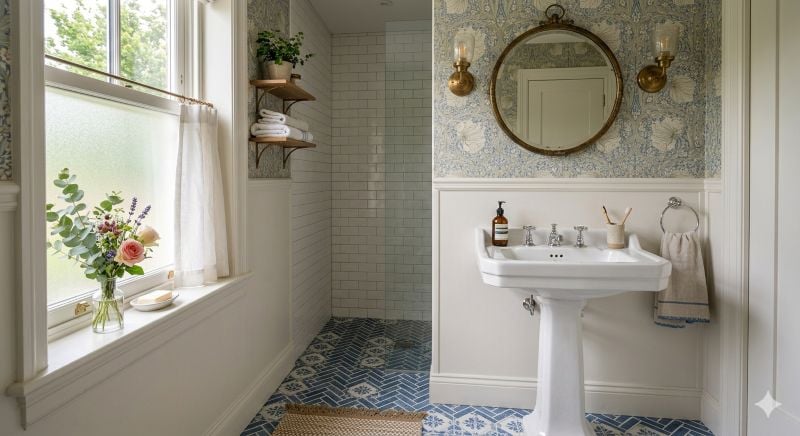
A well-designed home rarely comes from instinct alone. Comfortable rooms usually reflect careful study, measured planning, and disciplined choices made long before styling begins. An interior designer guides that process from early discussions through final placement, shaping how a space supports rest, work, gathering, and privacy. For households, that oversight can limit waste, reduce costly revisions, and produce rooms that feel calm, functional, and physically easier to live in every day.
Beyond Decor
Many homeowners still associate interior design with pillows, paint, and decorative accents. In practice, an interior designer may review floor plans, kitchen clearances, storage demands, window orientation, fixture placement, and furniture scale before purchases begin. That front-end analysis helps households avoid poor air circulation, harsh glare, undersized seating, and expensive corrections that add stress without improving daily comfort.
Reading the Room
Every project starts with use, not ornament. A designer studies movement patterns, natural light, sightlines, acoustic comfort, and the tasks each room must support. Children may need safer paths. Older adults may need wider passageways. Entertaining households often benefit from closer connections between seating, dining, and serving zones. Those observations turn preferences into a plan grounded in lived behavior.
Planning With Intention
Good planning gives any project a reliable framework. Designers turn goals into room layouts, finish directions, fixture locations, and furnishing dimensions before orders are placed. Measurements matter more than many clients expect. A chair with graceful lines can fail even if the seat height feels awkward. Clear documentation also reduces site confusion, because trades receive decisions before installation pressure builds.
Use of the Available Space
Small rooms often improve through restraint rather than excess. Larger areas may need visual anchors to prevent a sense of emptiness and support conversation. Designers are able to judge proportion, negative space, and placement with trained eyes. That skill can change how a home functions hour by hour. Better spacing improves circulation, supports posture, and reduces the subtle friction caused by crowded furniture or poorly located storage.
Materials That Last
Attractive finishes have little value if they wear quickly from actual use. Designers compare flooring, textiles, hardware, stone, and millwork for maintenance needs, surface temperature, texture, and light response. A household with children, pets, or frequent guests needs different specifications than a formal room used occasionally. Strong material choices protect comfort, simplify upkeep, and maintain visual quality over years of use.
Working With the Build Team
Interior work often intersects with architecture, construction, and specialty trades. Designers review drawings, answer field questions, verify dimensions, and spot conflicts before they reach the installation stage. Lighting placement may affect millwork. Plumbing locations may shape vanity storage. Tile layout may change fixture alignment. That coordination keeps the design coherent while helping contractors execute details accurately under real site conditions.
Cost Control
Setting a budget is a core part of competent design practice. Designers help clients rank priorities, compare alternatives, and decide where custom work matters most. A thoughtful plan can prevent repeated purchasing, rushed substitutions, and pieces that must be replaced after delivery. Financial discipline does more than limit spending. It protects the integrity of the project because key decisions remain aligned from start to finish.
Making It Personal
The strongest interiors reflect the habits, values, and emotional comfort of occupants, rather than trend cycles. Designers ask how people in the household cook, rest, host, work, read, and store everyday items. Those answers influence layout, lighting intensity, seating depth, and display choices. Personal character may appear through collected art, inherited furniture, or restrained material shifts. The result feels lived in, specific, and supportive without becoming visually heavy.
Final Layer
Styling is the last leg of interior design, not the whole assignment. Art placement, lamp height, rug size, window treatment fullness, and accessory spacing influence how complete a room feels. Small corrections can sharpen balance and soften visual noise. Experienced designers edit with restraint. That final pass helps the earlier planning read clearly, allowing the home to feel settled rather than recently assembled.
Conclusion
The scope of interior design extends well past surface decoration. It brings together planning, technical judgment, construction coordination, budgeting, and visual discipline into a single service. For households, that means fewer avoidable mistakes and better support for daily routines. A skilled designer helps each room perform with comfort, clarity, and lasting value, while keeping hundreds of small choices connected to one coherent result from the initial concept through installation.