Ensuring your commercial facility meets the Americans with Disabilities Act (ADA) standards is more than just following regulations—it’s a testament to creating an inclusive and accessible environment for everyone. Accessibility in commercial spaces goes beyond compliance; it showcases your business’s commitment to equal opportunity for individuals with disabilities. Whether you’re managing an existing building or planning renovations, understanding when to evaluate your facility for ADA compliance is crucial. Let’s dive into key moments that warrant a thorough assessment.
Changes in Building Ownership or Management
A change in building ownership or management is one of the most critical times to evaluate ADA compliance. New leadership often brings fresh perspectives and operational standards, and this transition offers the perfect opportunity to assess accessibility features and policies.
Imagine acquiring a commercial building that has not been updated since the early 2000s. Although the building may have been compliant when it was constructed, ADA standards evolved. For example, older restroom layouts may not meet current comprehensive ADA bathroom requirements, which specify wider stalls, appropriate grab bar placements, and accessible sink heights. Additionally, accessible parking spaces may lack proper signage or fail to meet size regulations.
Addressing compliance during ownership changes prevents future liabilities. It also ensures that the new management is not only meeting legal standards but fostering an inclusive environment for all customers and employees.
Renovations or Remodeling Projects
When embarking on renovation or remodeling projects, it’s essential to integrate ADA compliance into the planning and execution stages. The ADA requires that any alterations to existing facilities meet current accessibility standards, even if the rest of the building remains untouched.
Consider a scenario where a business renovates its lobby to create a modern and inviting space. While aesthetic upgrades like new furniture and flooring are important, they must also align with ADA guidelines. This includes ensuring pathways are wide enough for wheelchair access and that reception desks are at an accessible height. Similarly, remodeling restrooms require compliance with specific dimensions for maneuvering space, as well as updated fixtures that accommodate individuals with disabilities.
Failing to address these requirements during renovations can lead to expensive rework, not to mention reputational damage. Proactively incorporating accessibility into your design plans saves time and ensures a welcoming space for all visitors.
Implementation of New ADA Standards
The ADA is a living document, updated periodically to address advancements in technology, societal needs, and architectural practices. Businesses must stay informed about these updates to ensure ongoing compliance and avoid falling behind.
For example, newer ADA guidelines might include provisions for service animal relief areas in commercial buildings or updated standards for touch-free restroom fixtures. These updates are designed to enhance accessibility, but they can also catch businesses off guard if they’re not regularly monitoring changes. Scheduling routine evaluations, such as annual or biannual compliance checks, allows facility managers to identify and implement necessary updates promptly.
Staying ahead of regulatory changes demonstrates your commitment to accessibility. It also reduces the risk of non-compliance penalties and ensures that your facility reflects the most inclusive practices.
Responding to Complaints or Lawsuits
Receiving a complaint or facing a lawsuit related to accessibility can be a wake-up call for any business. While these situations can be stressful, they also present an opportunity to identify and rectify shortcomings in your facility.
For example, a visitor might report that a lack of accessible parking spaces made it difficult for them to reach your building. Upon investigation, you may discover additional issues, such as insufficient curb ramps or narrow doorways that don’t meet ADA requirements. Rather than addressing these problems piecemeal, conducting a comprehensive compliance assessment allows you to tackle all deficiencies at once.
Taking swift action in response to complaints not only resolves immediate concerns but also helps rebuild trust with your customers and community. It signals that your business takes accessibility seriously and is committed to providing an inclusive experience for everyone.
Changes in Facility Usage or Purpose
A change in how your facility is used often necessitates a reevaluation of ADA compliance. Different functions require different accessibility considerations, and failing to adapt can create significant barriers for individuals with disabilities.
For instance, converting a warehouse into a retail store introduces new challenges, such as ensuring adequate aisle widths, providing accessible checkout counters, and creating fitting rooms that accommodate wheelchairs. Similarly, adding new services, such as a café or coworking space, may require adjustments to restroom layouts, seating arrangements, and signage.
Before making any changes to your facility’s purpose, consult ADA guidelines and evaluate whether the new use aligns with accessibility standards. Proactively addressing these requirements ensures a smooth transition and enhances the overall customer experience.
Aging Infrastructure or Maintenance Issues
Even facilities that were initially compliant can fall out of alignment with ADA standards due to aging infrastructure or deferred maintenance. Over time, wear and tear can create accessibility barriers that didn’t previously exist.
Cracked sidewalks, broken elevators, or worn-down tactile paving can make it difficult for individuals with disabilities to navigate your facility. Similarly, outdated technology, such as old intercom systems or manually operated doors, may no longer meet modern accessibility standards.
Including ADA evaluations as part of your routine maintenance schedule ensures that these issues are identified and addressed promptly. Regular upkeep not only extends the lifespan of your facility but also demonstrates a commitment to accessibility and safety.
Planning for Growth or Expansion
Growth and expansion are exciting milestones for any business, but they also come with added responsibilities. Whether you’re opening a new location or adding to your existing facility, ADA compliance should be a central focus during the planning phase.
For example, building a new parking lot requires careful consideration of accessible spaces, including their size, location, and signage. Similarly, expanding your facility may involve constructing new entrances, restrooms, or meeting rooms, all of which must meet specific ADA standards.
Incorporating accessibility into your expansion plans from the outset minimizes the risk of costly adjustments later. It also ensures that your new spaces are inclusive and welcoming to all visitors from day one.
Proactively Enhancing Customer Experience
Accessibility isn’t just about meeting legal requirements—it’s also an opportunity to enhance the customer experience. Businesses that go above and beyond ADA standards often find that these efforts pay off in customer loyalty and positive word-of-mouth.
For example, installing assistive technologies like braille menus, hearing loops, or voice-activated directories can make your facility more user-friendly for individuals with disabilities. These enhancements not only comply with ADA guidelines but also demonstrate your business’s commitment to inclusivity and innovation.
Investing in accessibility improvements can also attract a broader customer base. People with disabilities, along with their families and caregivers, are more likely to frequent businesses that prioritize their needs.
Leveraging Professional Assessments
Navigating the complexities of ADA compliance can be challenging, especially for large or multi-use facilities. Hiring a professional consultant ensures a thorough and accurate evaluation of your building’s accessibility.
Professionals can identify compliance gaps that may be overlooked during internal assessments. They can also provide tailored recommendations and help prioritize updates based on urgency and budget. For example, a consultant might suggest focusing on high-traffic areas like restrooms and entrances first, while planning for less critical updates over time.
Partnering with experts not only streamlines the compliance process but also provides peace of mind that your facility meets all necessary standards.
Budgeting for Compliance Updates
ADA compliance updates can feel daunting from a financial perspective, but careful planning makes the process more manageable. Conducting regular evaluations allows you to identify areas of priority and allocate resources effectively.
For example, addressing critical issues like restroom accessibility or entryway barriers first can make a significant impact while spreading out less urgent updates over several years. This phased approach ensures ongoing compliance without overwhelming your budget.
By treating accessibility as an ongoing investment rather than a one-time expense, businesses can create spaces that are both functional and welcoming for all.
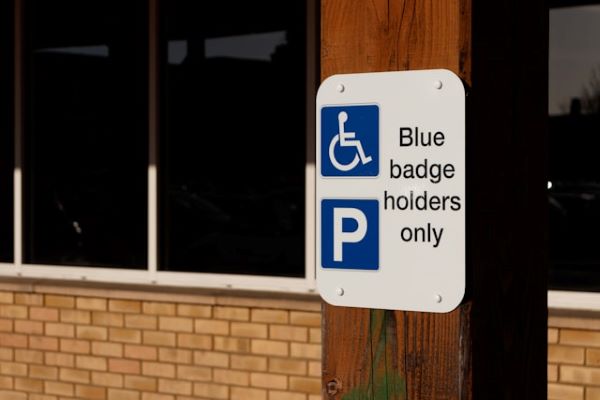
Photo by Jakub Pabis on Unsplash
Evaluating your commercial facility for ADA compliance at key moments—such as during renovations, ownership changes, or expansions—ensures inclusivity and reduces risks. Prioritizing accessibility not only aligns with legal requirements but also reflects your commitment to providing equal opportunities for all.