Home preparedness is often associated with emergency kits, bottled water, flashlights, storm shutters, and first-aid supplies. While these items are important, many homeowners overlook one of the most critical parts of staying prepared: reliable backup power.
When the electricity goes out, daily life can change quickly. Refrigerators stop cooling, air conditioning shuts off, security systems may lose power, and internet access can become limited. For families, remote workers, and homeowners in storm-prone areas, power reliability is more than a convenience. It is an important part of safety, comfort, and peace of mind.
Power Outages Can Happen Anytime
Severe weather is one of the most common causes of power outages, but it is not the only one. Grid failures, equipment issues, high energy demand, fallen trees, and unexpected utility problems can also interrupt power.
In some cases, electricity may return within a few minutes. In other situations, outages can last for hours or even days. This is especially challenging for homeowners who depend on electricity for medical devices, work-from-home setups, refrigerated food, home security, or climate control.
Because outages are unpredictable, planning ahead is always better than reacting during an emergency.
Why Backup Power Matters at Home
A reliable backup power system helps keep essential parts of the home running when the utility grid is unavailable. Depending on the system and home setup, backup power may support lighting, refrigeration, air conditioning, heating, Wi-Fi, garage doors, kitchen appliances, and security systems.
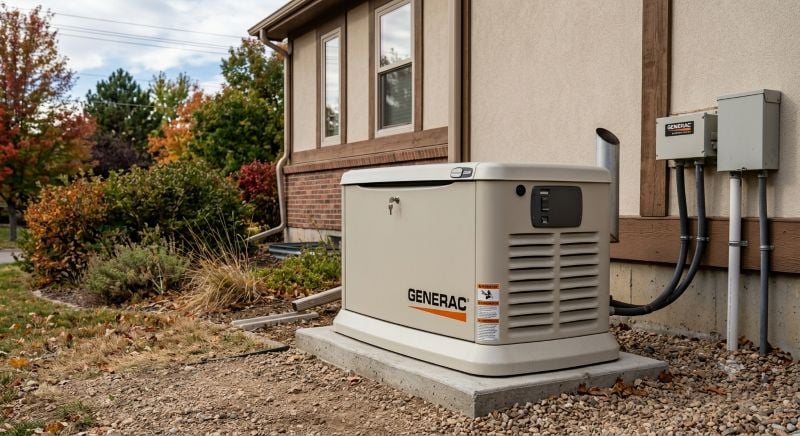
For homeowners in storm-prone areas, professional standby generator installation can help ensure the system is properly sized, safely connected, and ready to support essential home functions during extended outages.
This type of preparation can help reduce stress and keep the household functioning more smoothly when unexpected disruptions occur.
More Than Just Convenience
Backup power is often viewed as a comfort upgrade, but it can also protect the home and the people living in it.
For example, keeping the air conditioning running during hot weather can be important for children, elderly family members, pets, and anyone with health concerns. Keeping refrigeration active can prevent food from spoiling. Maintaining lights and security systems can also help homeowners feel safer during widespread outages.
A backup generator can also help reduce disruption for people who work from home. When power and internet equipment remain available, homeowners may be able to continue working or communicating even while the surrounding area is affected.
Planning Before an Emergency
One common mistake homeowners make is waiting until severe weather is already approaching before thinking about backup power. By then, generator demand may be high, installation schedules may be limited, and product availability may be reduced.
Planning early gives homeowners time to choose the right system, understand their power needs, prepare the installation area, and schedule professional service. It also allows time for proper setup, testing, and maintenance before the next outage happens.
A backup power system should be selected based on the size of the home, the essential systems the homeowner wants to support, and how long outages typically last in the area.
A Smarter Approach to Home Resilience
Home resilience is about preparing a property to handle disruption. This includes protecting the structure, maintaining safe access, reducing storm damage risks, and keeping essential systems available.
Backup power fits naturally into this plan. It works alongside other preparedness steps such as trimming trees, securing outdoor furniture, checking drainage, protecting windows, and keeping emergency supplies ready.
When homeowners think about preparedness as a complete system, backup power becomes one of the most practical investments they can make.
Final Thoughts
No homeowner can prevent every power outage, but preparation can make a major difference. A reliable backup power plan helps protect comfort, safety, food, communication, and essential home systems when the grid goes down.
For homeowners who want to feel more prepared during storms, utility issues, and unexpected outages, backup power should be part of the overall home preparedness plan.