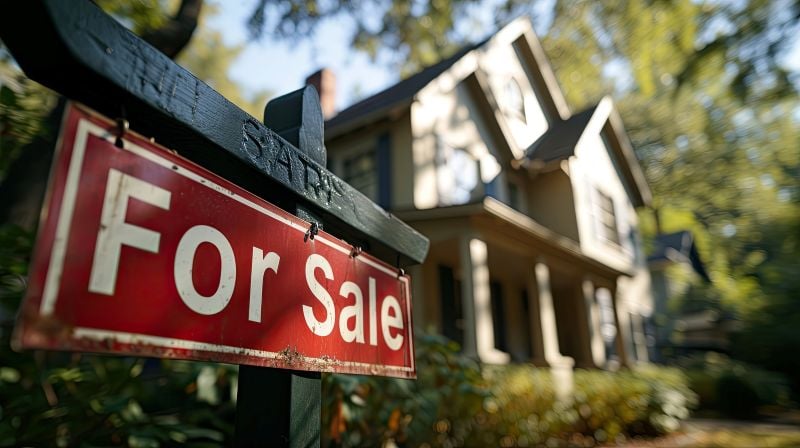
There is a common misconception in the news media that Harlem's economic value has plummeted. In reality, investors who have purchased properties in this area have enjoyed huge profits from the properties they have picked up.
Harlem still has a lot to offer investors who seek advice from the right people. One of the "right people" is Sean Cohane, an innovative commercial real estate agent that has made a name for himself and his company (Marcus and Millichap, the biggest commercial real estate company in the nation).
He notes, "I like to keep things interesting and take chances. Most guys around here play it by the book. So far I've found tremendous success by acting like I'm not afraid of anything." His finger always on the pulse of the economic climate, he adjusts his recommendations accordingly. "Right now condominiums and townhouses are a smart investment," referring to projects such as The Marshall on West 135th Street. "But that can change very fast. That will most likely change when the fed hikes interest rates again. When that happens I will start to turn my clients on to rental properties."
Cohane believes that Harlem's profitability has not suffered significantly, only in the specific areas and inventory that used to be hot.
A lot of commercial real estate experts speak of a lack of inventory, which would indicate a downward trend in market value. For skeptical investors, there are a number of factors to counterbalance such a prominent lack. Harlem is still rife with investment opportunities. Although there is a lot of competition out in Queens, Brooklyn and New Jersey, Harlem still has the distinction of being located right in Manhattan. No bridge or tunnel is required for a Harlem resident to be in the heart of the city. Harlem's inflated real estate environment is justified by its lack of fares and tolls that residents in those other areas are forced to pay.
Demand for condominiums in Harlem has pent up in recent years. Developers are ready to pounce on the first chance they get to produce even more condominiums -- while they still have the chance. The predicted rental housing comeback is still purely theoretical, but probable. Agents like Cohane, who can usually see ten moves ahead, are typically correct in their assessments of the market. Although Harlem as a whole has slowed down, there is still a lot of money to be made if it is put in the right place.
Hanging on Cohane's wall is a map of the island of Manhattan. During his lunch breaks he studies it meticulously, occasionally marking potential new properties that lie in the vicinity of his target areas. Although most of his properties are in East Harlem, he concedes that each section of Harlem has something to offer. The Lenox, being developed at 129th Street and Lenox Avenue, has brought Central Harlem a number of new services like restaurants and retail stores flowing in. Thanks to the prominent developments like The Lenox, East Harlem has stayed a very underrated neighborhood.
Judging by the published opinions of many Real Estate brokers, one would guess that Harlem has quickly gone from an investment treasure to overpriced and decidedly unfashionable. The late 90's saw an expansion to the south and north, as the upper east side and downtown Manhattan became too expensive for apartment seekers. As a result, Manhattan's Soho and Noho, Brooklyn's riverfront (Dumbo), and suddenly gentrified Harlem have became ideal dwellings for young over-paying Manhattanites.
Recently, the once chic neighborhoods have become re-chic, but expensive. Surprisingly Harlem has found itself in the same boat, decried as being overpriced and devoid of any bargains. Suddenly and obviously very quietly, Harlem has gone from being a yuppie's target to unanimously overpriced. And while overpriced may be an overstatement, the analysis typically blames the owners of co-op/condo buildings and townhouses, who, still stuck in the mindset of the boom's high prices are unwilling to accept lowered demand and are stubbornly demanding overpriced offers.
Cohane has already started his exploratory operations into the coming Bronx revival. Taylor Batt, a recent graduate of Columbia University and former study abroad student in Germany, is spearheading the operation. "I can empathize with the challenge of beginning a new opportunity in a foreign land. This enables me to help investors in the Bronx see great capital as well as improve the quality of life of residents of the Bronx community. The Bronx is on the cusp of an economic renaissance. This year we've seen national retailers, such as Gap and Footlocker, opening stores. Major league banks have also opened up branches. These are key indicators of a coming boom."
Batt is involved in Olinville, Williams Bridge and East Trement, where a lot of new development is occurring, especially for tri-quad and five plexes. And Hunts Point is the locus of the new Gateway Center where 5,000 new jobs in retail and construction will be created for the 500 million dollar project.
When Harlem first got hot there was a plethora of investors looking to purchase properties, renovate them and turn them over for big profits. Although things are trending downward, Harlem still has a lot to offer.
James McGinniss is a journalist who has experience working in the commercial real estate world. He resides in Manhattan.