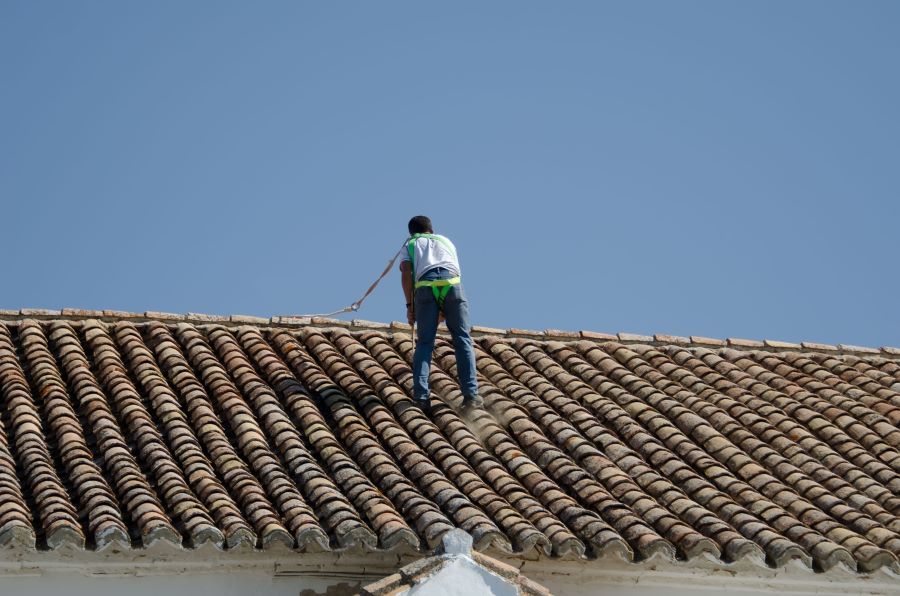
Roof issues are often easy to miss before closing, but they can turn costly once you own the home. Granule loss, damaged flashing, soft decking, and standing water are all signs of hidden roofing trouble. Poor attic ventilation, hail damage, patchwork repairs, and failing gutters can also point to problems that shorten the roof's lifespan. Spotting these red flags early lets you negotiate repairs, request seller concessions, or bring in a professional roofing inspection with more confidence.
1. Shingle Granule Loss
Granules protect asphalt shingles from sun, rain, and everyday weather. As they wear away, shingles become more vulnerable to damage and age faster than expected. Look for:
-
- Bald shingle spots
- Granules in gutters
- Uneven roof color
- Worn-looking patches
Some granule loss is normal on an older roof. Widespread wear, however, can mean the roof has less life left than expected and may need major repairs sooner rather than later. If you notice extensive wear, have a contractor specializing in quality roofing in Grand Prairie, TX, inspect the roof. They can confirm its condition and recommend the most appropriate solution.
2. Missing or Damaged Flashing
Flashing forms a watertight seal around joints and roof penetrations. Once it loosens or breaks down, water can get into areas that should remain protected. Inspect for:
-
- Missing sections
- Rusted metal
- Lifted edges
- Visible gaps
Pay close attention to chimneys, skylights, valleys, and plumbing vents. Trouble in these spots can let leaks develop well before they show up inside the home.
3. Soft Roof Decking
The decking is the structural base beneath the roofing material. Soft or sagging areas usually signal moisture damage that has built up over time. Watch for:
-
- Uneven roof lines
- Visible dips
- Soft spots
- Ceiling stains
Structural damage typically costs more to fix than shingle replacement alone. If any part of the roof feels unstable or looks uneven, ask for a professional evaluation before completing the purchase.
4. Standing Water
Water should drain fully from every part of the roof after it rains. Standing water puts extra stress on roofing materials and raises the risk of leaks. Check for:
-
- Pooling water
- Dark stains
- Debris buildup
- Clogged drains
Persistent pooling often points to a drainage problem that shouldn't be ignored. Fixing the underlying cause protects both the roof and the structure beneath it.
5. Poor Attic Ventilation
The attic offers useful clues about how healthy the roofing system really is. Trapped heat and moisture can shorten the roof's lifespan even when the outside looks fine. Look for:
-
- Excess heat
- Damp insulation
- Mold growth
- Rusted fasteners
Poor ventilation also lowers energy efficiency and encourages moisture damage over time. Checking the attic gives you a clearer sense of how well the roof is actually performing.
6. Hail Damage
Hail doesn't always leave signs that are obvious from the ground. Even small impacts can weaken shingles and reduce their ability to keep water out. Inspect for:
-
- Bruised shingles
- Surface cracks
- Missing granules
- Damaged vents
Ask whether the property has had recent hailstorms and whether the roof was checked afterward. Maintenance records can help confirm whether any storm damage was properly addressed.
7. Patchwork Repairs
A handful of repairs over a roof's life is normal. Multiple patches scattered across different sections, though, may point to recurring issues rather than one-off fixes. Look for:
-
- Mismatched shingles
- Uneven repairs
- Mixed materials
- Patched sections
Patchwork repairs can make it harder to judge the roof's true condition during a visual check. If you spot inconsistent repairs, consult a contractor experienced in roofing who can take a closer look before closing.
8. Failing Gutters
Gutters carry rainwater away from the roof and foundation. When they fail, water can pool where it shouldn't and speed up roof deterioration. Check for:
-
- Sagging sections
- Rust spots
- Overflow stains
- Loose fasteners
Failing gutters can also damage fascia boards, siding, and the foundation over time. Including them in your inspection helps you catch problems that go beyond the roof itself.
When Should You Request Seller Concessions?
Not every roofing issue is reason enough to delay or cancel a purchase. Minor maintenance items are common, but significant damage may call for further negotiation before closing. You may request:
-
- Roof repairs
- Seller credits
- Price reduction
- Replacement allowance
A licensed roofer can assess the extent of the damage and estimate repair costs. Their findings give you solid documentation for negotiating with the seller and help you make a more informed decision.
Spot Roof Red Flags Before You Close and Reduce Future Expenses
Some roofing problems are minor, while others may require costly repairs. Recognizing warning signs before closing helps you negotiate more effectively and avoid unexpected expenses. Involve a licensed roofer if the roof's condition raises any concerns.
Did you find the roofing information you were looking for? Explore our other blogs for more insights on roofing, home buying, real estate, closing deals, and much more.